
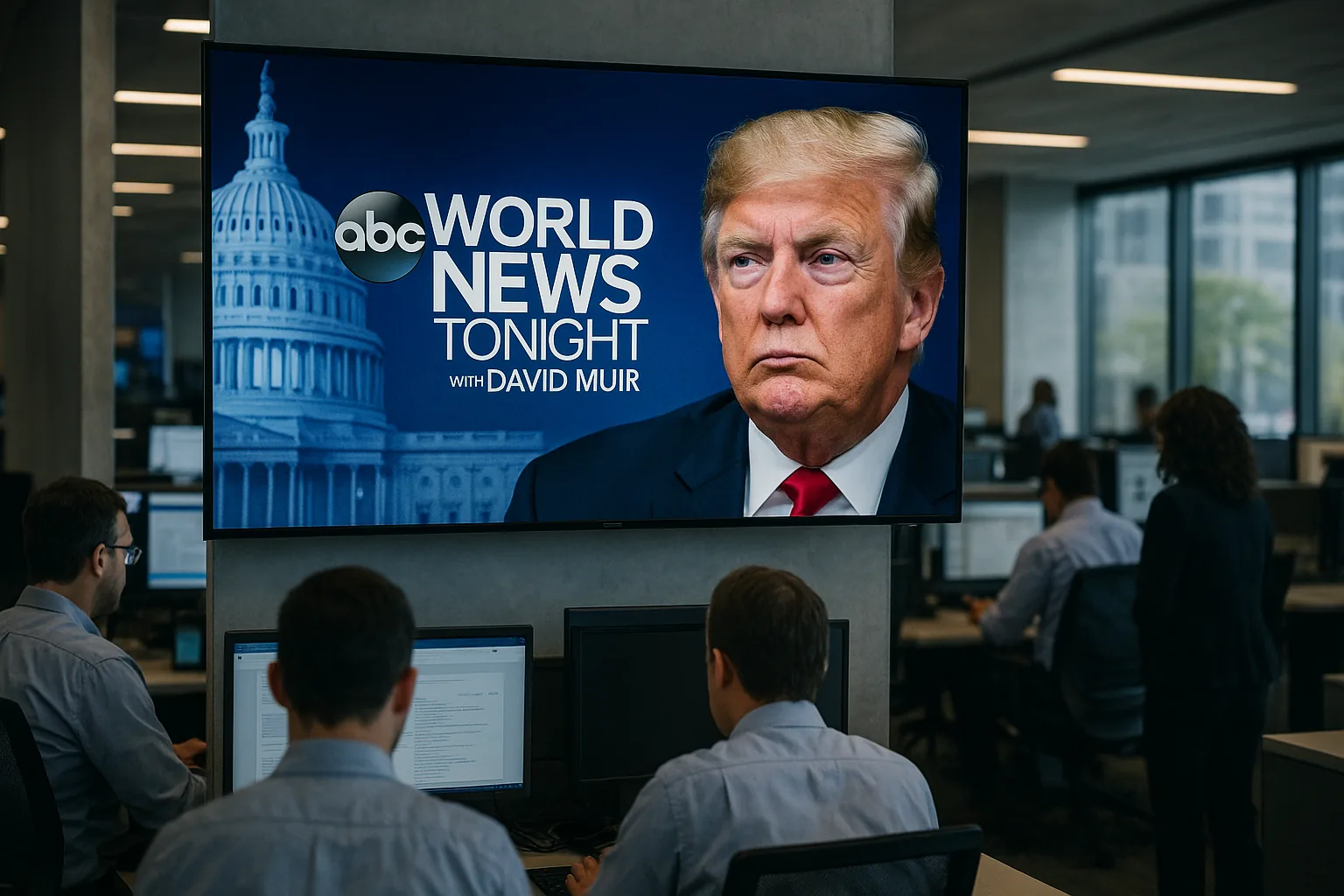
The decision by ABC's "World News Tonight" to prioritize coverage of President Trump's political controversies and severe weather over geopolitical energy concerns on Thursday, October 22, 2026, prompted a near-total collapse in a related prediction market contract. On the Kalshi exchange, the contract for "Oil / Gas / Gasoline" to be mentioned during the broadcast plummeted 73 percentage points, falling from a 74% implied probability to just 1% as the show's final content became clear.
The sharp repricing reflects a classic scenario in media-focused prediction markets, where trader expectations built on broad geopolitical news collide with the finite airtime and specific editorial choices of a national news broadcast. While escalating tensions with Iran made an energy segment seem likely, the program's actual focus on domestic stories left those bets worthless. The high trading volume underscores the significant capital that was positioned for a different outcome.
Distribution Analysis
The market consisted of a binary contract on whether the specified terms would be mentioned. The precipitous drop in the "Yes" contract indicates a decisive shift as the broadcast aired.
| Outcome | Current Prob | Change | Volume |
|---|---|---|---|
| Oil / Gas / Gasoline | 1% | -73.0pp | 46,166 |
Net: 1 of 1 contracts declined on significant volume, reflecting a complete reversal of expectations for the broadcast's content.
What's Driving the Shift
The market's dramatic move was driven by the final editorial selection for the October 22 broadcast, which diverged from what traders had anticipated based on the global news environment.
Broadcast Focus Elsewhere: The "World News Tonight" episode, anchored by David Muir, led with segments on powerful storms in the Southwest and President Trump defending a controversial attack ad in the Ohio governor’s race. A transcript analysis confirms the broadcast did not contain the words "oil," "gas," or "gasoline," causing the market to resolve against prior expectations.
Geopolitical Tensions Priced In: The initial 74% probability was not speculative. It was grounded in significant international developments. Reports around this time detailed how the U.S. was preparing for possible strikes on Iran after the upcoming midterm elections. In response, Iran had reportedly threatened to strike oil facilities across the Gulf. This context made a segment on the potential for soaring energy prices a highly probable topic for a national evening news program.
Live Event Resolution: The price collapse likely occurred in real-time as the 30-minute program aired. Markets tied to live media events are highly sensitive to the unfolding content. As each segment passed without a mention of the energy markets or the Iran situation's impact on them, traders rapidly sold off "Yes" positions, driving the probability toward zero.
Market Context
Prediction markets on media mentions serve as a proxy for traders' expectations of editorial judgment. They measure what the market believes is newsworthy enough to make the cut for a specific, time-constrained broadcast. Prior to the event, traders had priced in a high likelihood that the economic and national security implications of the Iran conflict were too significant for "World News Tonight" to ignore.
However, the broadcast's ultimate focus on domestic political news and weather illustrates the "crowding out" effect in a news cycle. The 46,166 in 24-hour volume on this single contract demonstrates substantial trader interest and conviction—on both sides—regarding the salience of the energy story versus competing headlines. The outcome serves as a stark reminder that even seemingly critical global news is not guaranteed a spot on the nightly news agenda.
What to Watch
The market, ticker KXWORLDNEWSMENTION-26OCT22-OIL, is scheduled to close on November 5, 2026. Settlement will be based on official transcripts and reporting from a variety of major news organizations, including ABC itself. Given that the broadcast has already aired and a transcript review shows no mentions of the key terms, the contract is expected to remain near zero and ultimately resolve to "No."
