
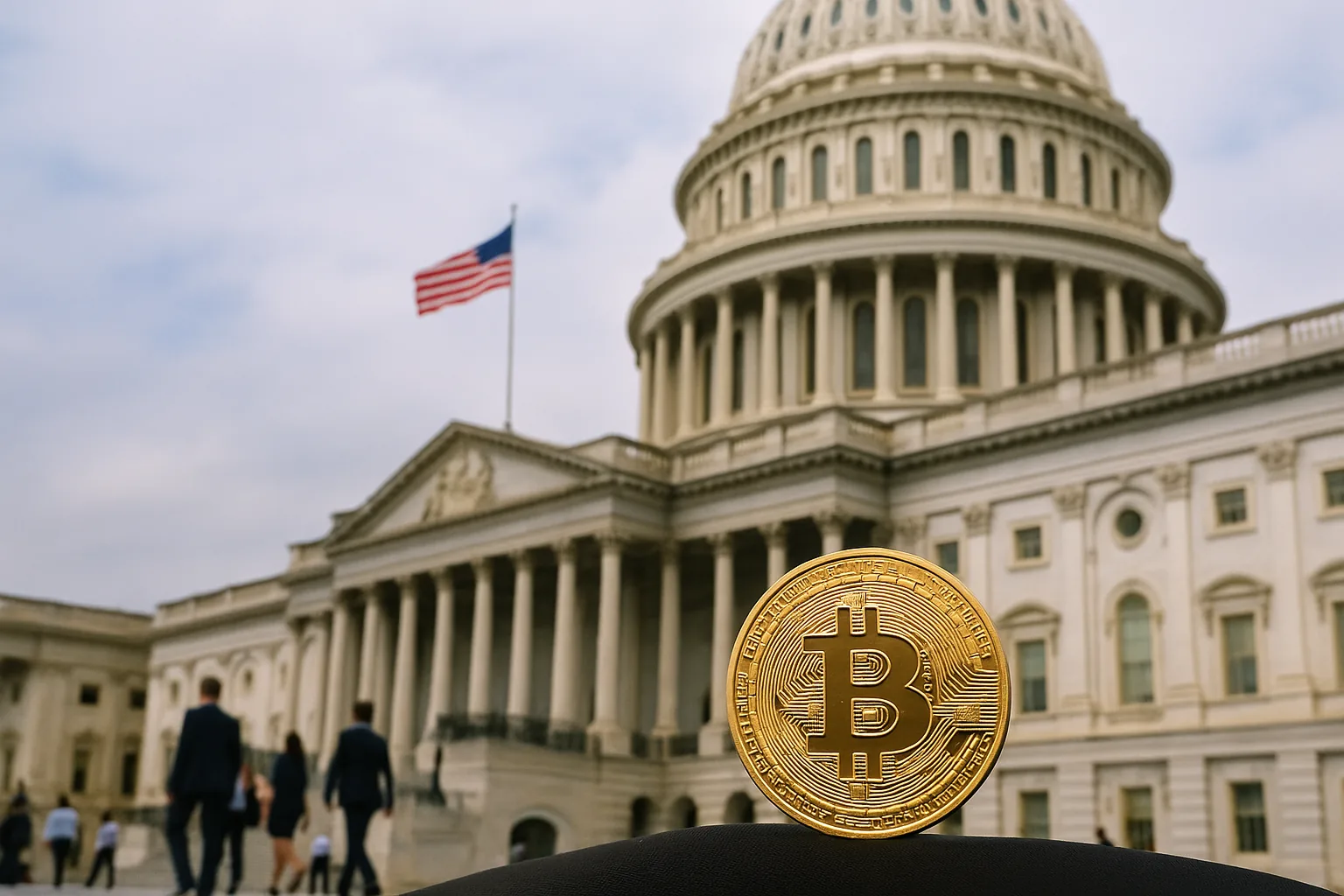
Reports on Tuesday, July 21, 2026, that President Donald Trump has accepted proposed ethics restrictions for the CLARITY Act pushed prediction market odds for the bill’s passage sharply higher. The move, which coincided with optimistic statements from key Senate negotiators, saw the contract for passage "Before Oct 1, 2026" jump 20 percentage points to 47%. The broader market repricing suggests traders see a clearer, albeit still narrow, path for the comprehensive crypto market structure legislation to become law before the end of the year.
The shift reflects growing conviction in a late-2026 timeline, as probability moved out of both the immediate-term (August/September) and longer-term 2027 deadlines. Contracts for passage in the final quarter of 2026 saw the largest gains on significant trading volume, indicating the market is coalescing around a scenario where lawmakers strike a deal before the August recess or during a post-election lame-duck session.
Distribution Analysis
The table below shows the probability shifts across all deadlines for the passage of crypto market structure legislation, sorted chronologically. The most significant repricing occurred in contracts expiring in late 2026, which saw large gains in implied probability. Conversely, contracts for mid-2027 deadlines saw the largest declines.
| Outcome | Current Prob | Change | Volume |
|---|---|---|---|
| Before Aug 1, 2026 | 2% | -1.4pp | 30,363 |
| Before Sep 1, 2026 | 7% | -7.0pp | 34,010 |
| Before Oct 1, 2026 | 47% | +20.0pp | 8,610 |
| Before Nov 1, 2026 | 48% | +12.0pp | 4,999 |
| Before Dec 1, 2026 | 51% | +7.0pp | 7,055 |
| Before Jan 1, 2027 | 49% | +8.0pp | 48,731 |
| Before Apr 1, 2027 | 43% | -14.0pp | 9 |
| Before Jul 1, 2027 | 67% | -4.0pp | 147 |
| Before Oct 1, 2027 | 67% | ~0pp | 10 |
| Before Jan 1, 2028 | 73% | +2.0pp | 888 |
Net: Five of ten contracts rose on a combined volume of over 70,000 shares, shifting the implied consensus timeline for passage firmly toward the fourth quarter of 2026.
What's Driving the Shift
The sharp repricing appears driven by three converging factors: a reported breakthrough on a key ethics dispute involving the White House, public optimism from Senate negotiators, and mounting pressure to pass the bill before the legislative calendar runs out.
White House Accepts Ethics Provision: The primary catalyst was the news on July 21 that President Trump has agreed to proposed ethics restrictions on the crypto activities of senior federal officials. This issue, tied to the president’s own financial disclosures showing significant crypto-related income, had been a major source of Democratic opposition and a key roadblock in bipartisan talks. While Trump’s acceptance removes a significant hurdle, Democratic negotiators have not yet agreed to the proposed enforcement mechanism.
Emerging Senate Compromise: The move coincides with comments from Senator Kevin Cramer (R-N.D.), a key negotiator, who told Fox Business on Tuesday that the bill is "almost there." He outlined a compromise that would give the Department of Justice primary enforcement authority over the ethics rules. However, leading Democratic negotiator Sen. Angela Alsobrooks (D-Md.) called a DOJ-led structure an "unserious offer," signaling that while progress has been made, a final bipartisan deal has not yet been reached.
Mounting Calendar Pressure: With the Senate’s August recess looming, key figures are escalating calls for a vote. Treasury Secretary Scott Bessent told Bloomberg the bill is at the "1-yard line," and President Trump has personally urged the Senate to act, framing it as a matter of national competitiveness with China. The market move into late-2026 deadlines suggests traders believe this pressure campaign is increasing the likelihood of a vote before year-end.
Market Context
The Digital Asset Market Clarity Act (CLARITY Act, H.R. 3633) is the primary legislative vehicle for establishing a US regulatory framework for crypto. The bill aims to delineate oversight authority between the Securities and Exchange Commission and the Commodity Futures Trading Commission. After passing the House of Representatives in July 2025, the bill advanced through the Senate Banking Committee in May 2026.
Tuesday's market activity marks a significant reversal from recent weeks. As recently as July 17, traders on the offshore prediction market Polymarket had cut passage odds to a record low of 32% amid concerns that the ethics deadlock was intractable. The sudden spike in optimism on CFTC-regulated Kalshi suggests the new developments have fundamentally altered traders' assessment of the bill's viability.
What to Watch
The CLARITY Act's fate now depends on whether Senate negotiators can finalize a bipartisan compromise on the remaining issues, chiefly the enforcement structure for the new ethics rules. The bill requires 60 votes to overcome a filibuster in the Senate. The key indicator for traders will be an announcement of a bipartisan agreement on the legislative text, followed by Majority Leader John Thune scheduling the bill for a floor vote. The Senate is scheduled to begin its summer recess on August 7, creating a tight window for legislative action.
