
Editorial Note
This analysis addresses a significant repricing in the 2026 Eastern Pacific hurricane season market. Readers should note a temporary pricing inconsistency observed on August 19, 2026, where the contract for "Above 26" storms traded at a higher probability (89%) than the contract for "Above 22" storms (37%) or "Above 24" storms (86%). Logically, the probability of a higher storm count cannot exceed that of a lower count. This dislocation may reflect concentrated trading volume and focus on the extreme tail of the distribution, and such arbitrage opportunities in prediction markets are often short-lived.
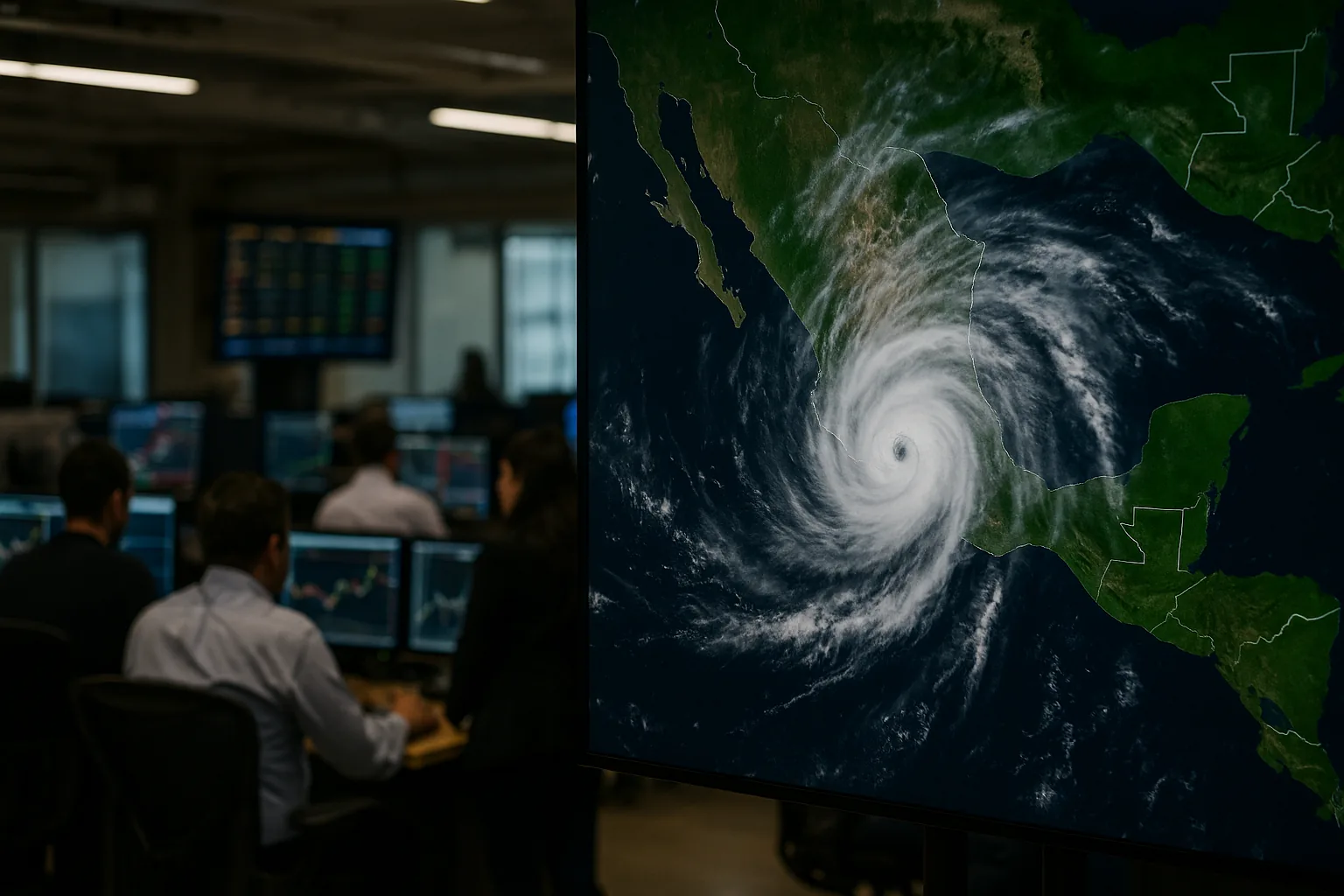
A strengthening El Niño weather pattern, which forecasters expect to fuel a highly active hurricane season, prompted a dramatic repricing in prediction markets on Wednesday, August 19, 2026. The contract for an extremely active season with more than 26 named storms in the Eastern Pacific surged 81 percentage points, from 8% to 89%. The sharp move on the Kalshi exchange suggests traders are pricing in a season that could significantly exceed the upper ranges of official government forecasts, which already called for above-normal activity.
The repricing was broadly consistent across most outcomes, with contracts for higher storm counts all gaining probability. The market action implies a growing consensus that the ongoing El Niño—a phenomenon known to enhance storm development in the Pacific—will result in one of the most active seasons on record. The shift moves the market far beyond the National Oceanic and Atmospheric Administration's (NOAA) official forecast, which projects a 70% chance of 15-22 named storms.
Distribution Analysis
| Outcome | Current Prob | Change | Volume |
|---|---|---|---|
| Above 26 | 89% | +81.0pp | 106 |
| Above 24 | 86% | ~0pp | 27 |
| Above 19 | 53% | +15.0pp | 3 |
| Above 22 | 37% | +22.0pp | 160 |
Net: 3 of 4 contracts rose on 270 total volume, shifting the implied consensus toward a significantly higher number of named storms for the season.
What's Driving the Shift
Strengthening El Niño: The primary driver is the intensifying El Niño event in the Pacific Ocean. NOAA has indicated that El Niño typically becomes the dominant factor for hurricane activity, suppressing storms in the Atlantic but creating more favorable conditions in the Pacific. This includes warmer ocean surface temperatures and reduced vertical wind shear, which act as fuel for tropical cyclones. The market's sharp move indicates traders are placing heavy weight on this factor.
Pricing Beyond Official Forecasts: The market is now implying a near-certainty (89%) of a season that surpasses even the high end of official outlooks. In its seasonal forecast, NOAA projected 15-22 named storms, a range well above the 1991-2020 average of 15. The market's pricing for more than 26 storms suggests a strong belief that conditions will produce a historic, outlier season.
Slightly Ahead-of-Pace Season: The current season is providing a factual basis for bullish expectations. As of August 19, 2026, there have been eight named storms in the Eastern Pacific, including two hurricanes and one major hurricane. According to NOAA's own summary, this represents a pace that is slightly ahead of the long-term normal for this point in the year, reinforcing the forecast for an active season.
Market Context
The 81-point spike in the "Above 26" contract represents a significant repricing of tail risk. Rather than merely adjusting for an "above-average" season, traders are now assigning a high probability to an extreme outcome. The season officially runs through November 30, leaving more than three months for storm development during the climatological peak.
The trading volume was concentrated in the contracts that saw the largest gains. The "Above 22" and "Above 26" contracts saw a combined volume of 266, accounting for the vast majority of the day's activity. This suggests a focused and directional bet on a high storm count rather than broad market noise.
What to Watch
The market will continue to react to meteorological developments in the Eastern Pacific, with the climatological peak of the season occurring in early September. Any updates to seasonal outlooks from major agencies could also serve as catalysts. This market is set to resolve based on the final count of named storms for the 2026 season as reported by NOAA. The contract closes on December 1, 2026.
