
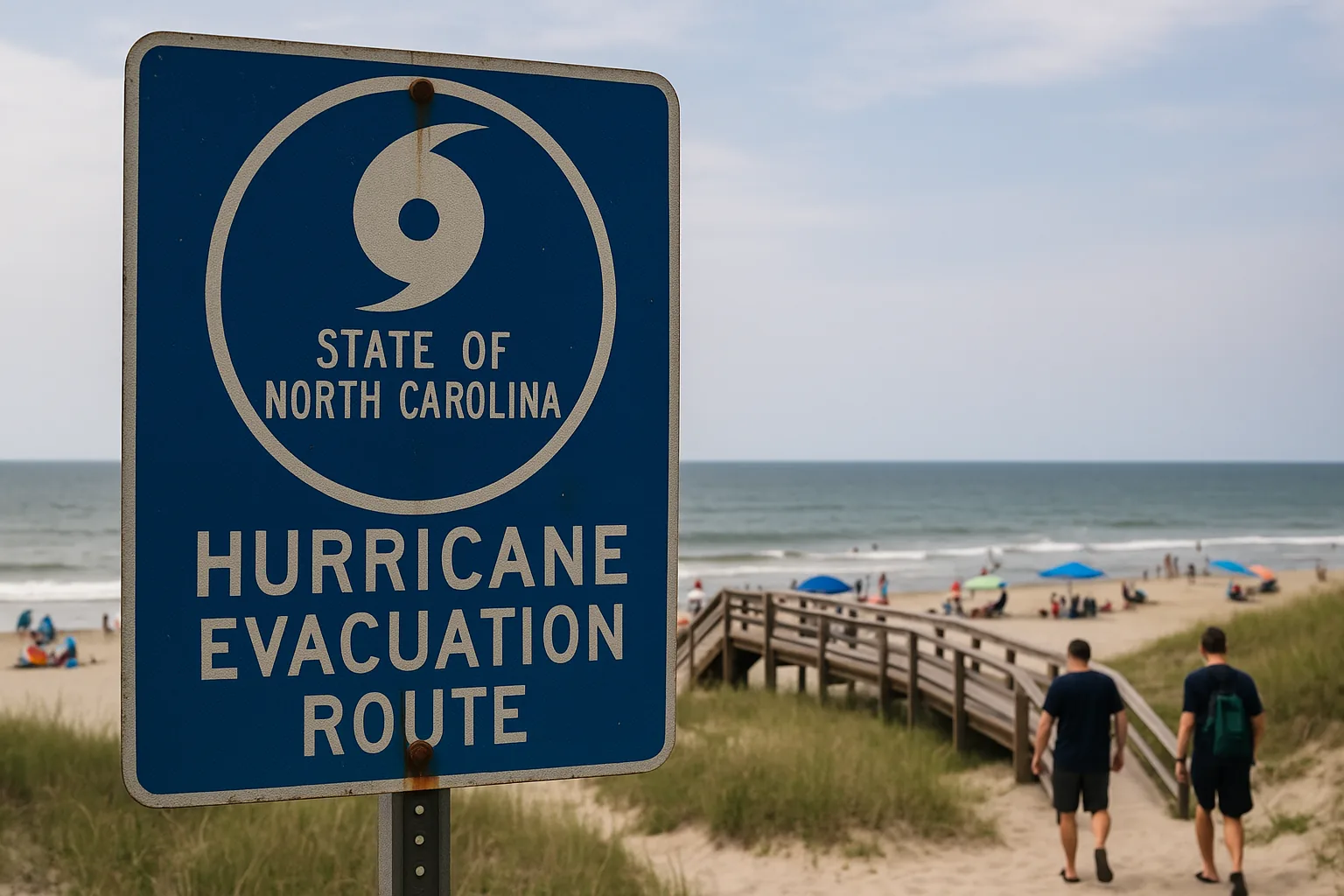
The historically quiet 2026 Atlantic hurricane season, which has now passed its climatological peak without a single hurricane forming, has driven a significant repricing in markets forecasting a hurricane landfall in North Carolina. In Friday's session (September 25, 2026), the implied probability of a hurricane striking the state this year collapsed to just 2%, an 85-percentage-point drop from 87% earlier in the season. The sharp decline on the Kalshi exchange reflects growing trader conviction that the state will evade a landfall as the window for storm development rapidly closes.
This year's season is on track to have the latest first hurricane in the modern satellite-tracking era, a stark contrast to historical averages. The lack of activity is a direct result of a powerful El Niño climate pattern that has suppressed storm formation, aligning with and amplifying expert forecasts that predicted a tranquil season.
Distribution Analysis
| Outcome | Current Prob | Change | Volume |
|---|---|---|---|
| 2026 | 2% | -85.0pp | 801 |
Net: The single contract in this market declined on 801 volume, reflecting a significant decrease in expectations for a 2026 landfall.
What's Driving the Shift
The market’s dramatic reassessment appears to be driven by three primary factors, all pointing toward a continued lack of significant storm activity.
Shrinking Calendar: The Atlantic hurricane season officially runs from June 1 to November 30. With the climatological peak of the season on September 10 now passed, the time remaining for a major storm to develop, intensify, and make landfall in North Carolina is dwindling. While late-season storms are not unprecedented, the probability decreases as autumn progresses.
Dominant El Niño Conditions: A strong El Niño pattern has been the defining feature of the 2026 season. This warming of Pacific Ocean waters increases vertical wind shear in the Atlantic, which disrupts the structure of developing storms and prevents them from strengthening. Forecasters at the National Oceanic and Atmospheric Administration (NOAA) cited this phenomenon in their August 6 update, noting that when El Niño emerges, "it usually becomes the dominant factor in total hurricane season activity."
Lack of Formed Hurricanes: To date, the Atlantic has produced only a handful of named tropical storms, with none achieving hurricane status. As of September 26, the National Hurricane Center is monitoring two weak systems, Tropical Depression Fay and Tropical Storm Gonzalo, both of which are expected to weaken and pose no threat to the United States. This lack of any organized, powerful systems has reinforced the below-average season narrative.
Market Context
The current 2% probability marks a stark departure from long-term climatological odds and early-season forecasts. In April, Colorado State University (CSU) researchers, using historical data, calculated that North Carolina had a 28% chance of being affected by a hurricane in 2026. The average historical probability is even higher.
The market's repricing aligns with the updated seasonal outlooks from major meteorological agencies. In its August 6 update, NOAA maintained its forecast for a below-normal season, assigning a 75% chance for below-normal activity and predicting just 2-6 hurricanes for the entire season. The market action suggests traders believe the outcome will be at the lowest end of that range, if not below it.
What to Watch
The primary factor to watch is the calendar itself, as the hurricane season officially concludes on November 30. Traders will continue to monitor the tropical Atlantic for any late-season development, though conditions remain unfavorable. The contract will settle to "Yes" if a storm officially designated as a hurricane by the National Hurricane Center makes landfall in North Carolina before the market's close. Resolution will be determined by a consensus of official sources, including NOAA and the National Weather Service.
