
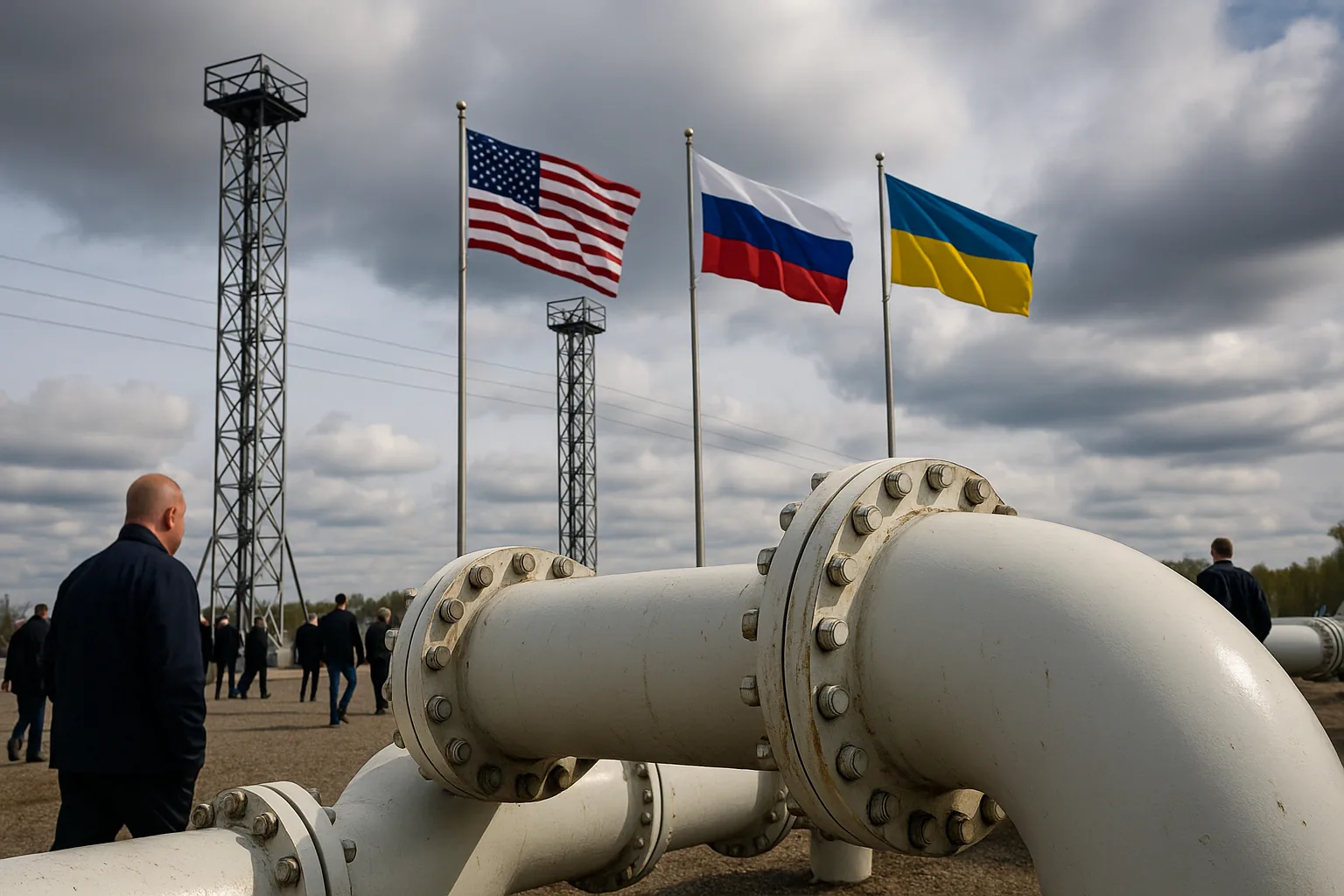
The apparent collapse of a U.S.-led “energy ceasefire” initiative and fresh reports of Russian unwillingness to negotiate have significantly lowered market expectations for a trilateral meeting between presidents Donald Trump, Vladimir Putin, and Volodymyr Zelenskyy. In the session ending October 13, 2026, contracts on the Kalshi exchange implying a meeting will occur before January 2029 experienced a sharp 49-percentage-point drop, falling from 88% to 39%. The repricing suggests traders see the window for a landmark diplomatic summit closing amid renewed hostilities and stalled talks.
The dramatic shift unwinds optimism built over recent weeks following a U.S. diplomatic push for a new round of peace talks. The probability of a meeting occurring by the end of Trump's potential second term has moved from highly likely to an implied 61% chance of not happening, reflecting a substantial downturn in sentiment regarding a negotiated end to the war.
Distribution Analysis
| Outcome | Current Prob | Change | Volume |
|---|---|---|---|
| Before Jan 20, 2029 | 39% | -49.0pp | 58 |
Net: The single eligible contract declined on low volume, shifting the implied probability of a trilateral summit from highly likely to improbable.
What's Driving the Shift
The sharp decline in odds appears directly linked to a series of diplomatic setbacks that unfolded in early October.
'Energy Ceasefire' Falters: The move follows the failure of an "energy ceasefire" announced by President Trump. Despite the U.S. initiative, Russia continued to strike energy targets in Ukraine. On October 13, Kremlin spokesman Dmitry Peskov stated that while contacts on the matter were continuing, there were no new developments, signaling a lack of progress. The inability to secure even a limited truce has undermined confidence in broader peace efforts.
Doubts Over Moscow's Intentions: A Reuters report published on October 13 revealed that U.S. envoys Steve Witkoff and Jared Kushner had privately told Ukrainian officials that President Putin was not prepared to negotiate an end to the war. This assessment from high-level U.S. officials directly contradicts the narrative of impending peace talks and suggests the diplomatic track has hit a significant roadblock.
Stalled Diplomatic Momentum: Earlier in October, President Zelenskyy had confirmed that the U.S. was pushing for trilateral talks by the end of the month and that Ukraine was ready to participate. However, the latest developments indicate that this initiative has failed to gain traction with Moscow, leading traders to price out the possibility of a near-term breakthrough.
Market Context
The previous 88% probability reflected a period of active, high-level diplomacy. Historically, President Trump has repeatedly pushed for direct talks, including efforts in 2025 to organize a meeting between Putin and Zelenskyy and suggesting a three-way summit could follow. The market had priced in a high likelihood that these long-standing efforts would eventually bear fruit within a second Trump term.
The recent 49-point drop represents a significant recalibration, aligning market odds with the stark diplomatic reality. However, it is important to note the repricing occurred on relatively low volume of 58 contracts traded over a 24-hour period. While the price move is substantial, the low liquidity suggests it may not yet reflect broad market consensus and could be subject to further volatility as more traders react to the news.
What to Watch
The contract will settle based on official announcements of a trilateral meeting from the White House, the Kremlin, or the Office of the President of Ukraine. With a resolution date of January 20, 2029, the market has a long-term outlook. Traders will now watch for any renewed U.S. diplomatic efforts or a change in posture from Moscow regarding negotiations, as any signals of a restart to meaningful dialogue could cause another significant shift in the implied odds.
