
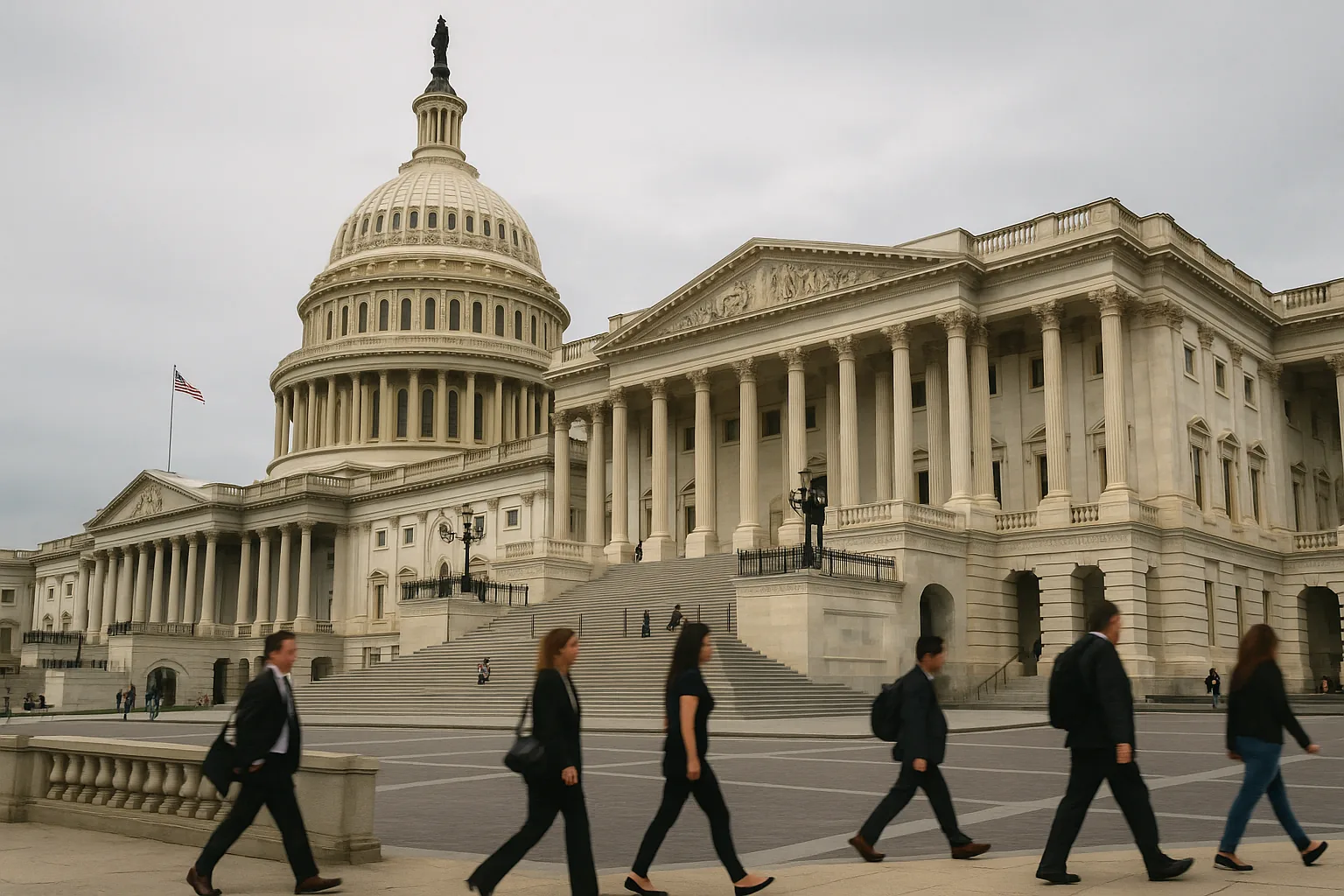
Reports of a crowded Senate calendar and potential procedural roadblocks for Rep. Wesley Hunt’s nomination as U.S. Ambassador to Saudi Arabia have triggered a sharp repricing in prediction markets. In the session on Wednesday, September 16, 2026, the probability of Hunt’s confirmation occurring before December 1 plummeted 58 percentage points to just 12%, a significant drop from 70% a day prior. The shift suggests traders have largely abandoned expectations of a swift confirmation before the midterm elections, moving the most likely timeline to the post-election lame-duck session.
The significant market move came just two days after President Donald Trump nominated the Texas Republican to the high-profile diplomatic post. While the overall odds of Hunt's confirmation by early 2027 remain high, the market now implies that the path to confirmation will be slower than initially anticipated due to legislative realities in the Senate.
Distribution Analysis
The market repricing reflects a shift in the expected timing of confirmation, not necessarily a change in the ultimate outcome. The probability of confirmation before the December 1 deadline collapsed, while the implied probability for the period between December 2026 and March 2027 has surged.
| Outcome | Current Prob. | Change (pp) | Volume |
|---|---|---|---|
| Before Dec 1, 2026 | 12% | -58.0 | 2,181 |
| Before Mar 1, 2027 | 84% | -1.0 | 0 |
Net: The market consensus shifted dramatically, with the odds of a pre-election confirmation collapsing and probability re-concentrating in the period between December 2026 and March 2027.
The data from contracts on Kalshi, a U.S.-regulated exchange, implies that the probability of Hunt being confirmed between December 1, 2026, and March 1, 2027, now stands at 72% (the difference between the March and December contract probabilities). Before the shift, this lame-duck window was priced at only a 15% probability.
What's Driving the Shift
The market's abrupt reassessment appears to be driven by new information regarding specific legislative and political hurdles facing the nomination.
Shrinking Calendar: The Senate's tentative 2026 schedule includes a state work period from October 5 through November 6 for the midterm elections. This leaves very few legislative days for the Senate Foreign Relations Committee to hold a hearing and for the full Senate to schedule a floor vote, making a pre-election confirmation difficult.
Potential Procedural Holds: The repricing follows a Semafor report published late on September 16 indicating that retiring Sen. Thom Tillis (R-N.C.) could block Hunt’s nomination from being included in a fast-track "en bloc" package of nominees. Such a hold would require leaders to find scarce floor time for a standalone vote, a significant procedural barrier.
Uncertain Republican Support: The same report noted a noncommittal response from Sen. John Cornyn (R-Texas), whom Hunt challenged in a contentious Senate primary earlier in the year. While fellow Texan Sen. Ted Cruz voiced support, the lack of broad, immediate backing from key Republicans adds to the uncertainty being priced by traders.
Market Context
The U.S. ambassadorship to Saudi Arabia is a strategically critical post, central to advancing U.S. interests in counterterrorism, regional stability, and energy markets, as highlighted in past confirmation hearings. However, the post has often been subject to political delays.
The position was vacant for over two years before General John P. Abizaid was confirmed in April 2019. More recently, the nomination of Michael Ratney faced a lengthy hold by Senator Ron Wyden before his eventual confirmation. This history provides a backdrop for the market's sensitivity to potential delays for Hunt's nomination.
What to Watch
The critical next step for the nomination is the scheduling of a hearing before the Senate Foreign Relations Committee. The committee's public agenda for the coming weeks will be a key indicator of the nomination's trajectory. Traders will also be closely watching for any official statements from the offices of Senators Tillis and Cornyn that could clarify their intentions and the potential for a swift confirmation process after the November elections.
