
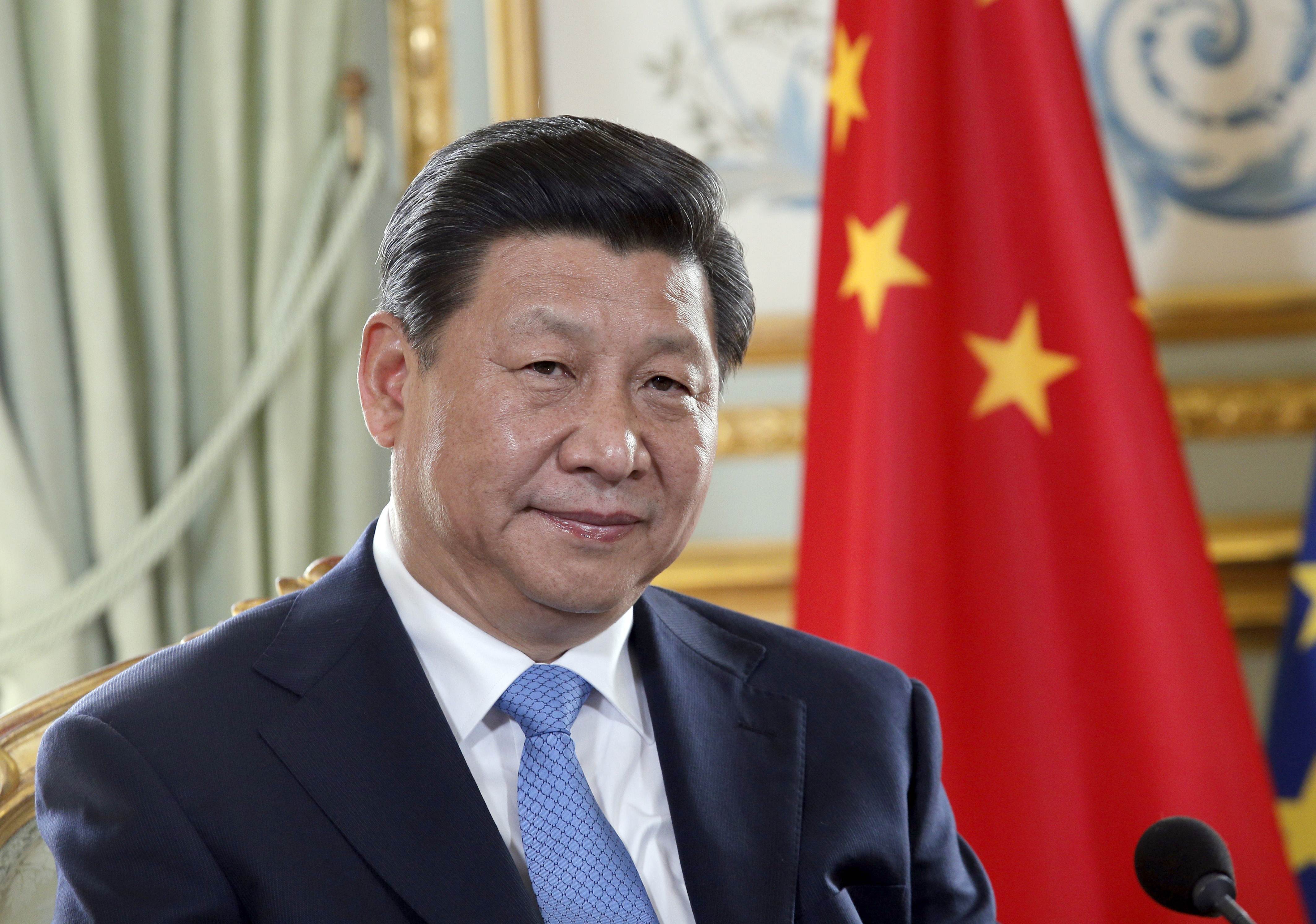
Xi Jinping out before 2027?
Short Answer
1. Market Behavior & Drivers
- No, Xi Jinping is widely expected to secure a fourth term.
- No, consolidated power appears to minimize internal challenges before 2027.
- Yes, a failed Taiwan military campaign poses the greatest threat to authority.
Who Wins and Why
| Outcome | Market | Model | Why |
|---|---|---|---|
| Yes | 4.2% | 4.2% | No specific drivers from research are available to support this outcome. |
Current Context
Sources (8)
- 1Xi Jinping out before 2027 92% No · Polymarketexplorer.struct.to
- 2Xi Jinping Out Before 2027: What the Money Sayslines.com
- 3Xi Jinping out before 2027? — 5% Odds | OddsShiftoddsshift.com
- 4Who Will Succeed Xi Jinping? – The Diplomatthediplomat.com
- 5Why Xi Jinping May Win a Fourth Term by Default - Lei's Real Talkleisrealtalk.com
- 6Thinking about What Zhang's Purge Could Mean for China's...trackingpeoplesdaily.substack.com
- 7Xi the Destroyer | Foreign Affairsforeignaffairs.com
- 8The October Meeting That Could Decide Xi Jinping’s Future - Udumbara Magazine, News & more...udumbara.net
2. Price Chart
Historical Price (Probability)
3. Market Data
Contract Snapshot
This market resolves to "Yes" if China's General Secretary of the Communist Party, Xi Jinping, is removed from power between July 3, 2025, and December 31, 2026, 11:59 PM ET. Removal encompasses resignation, dismissal, detention, disqualification, or any event preventing him from fulfilling his duties. If these conditions are not met, the market resolves to "No", based on a consensus of credible reporting.
Available Contracts
Market options and current pricing
| Outcome bucket | Yes (price) | No (price) | Last trade probability |
|---|---|---|---|
| Yes | $0.04 | $0.96 | 4% |
Market Discussion
Traders in this Kalshi prediction market overwhelmingly anticipate Xi Jinping will remain in power before 2027, with the market currently pricing a 4% chance of his removal. This strong consensus for 'No' is primarily attributed to his firm control over the Chinese Communist Party and military, ongoing anti-corruption purges, and the lack of any public signals indicating retirement or organized opposition. While potential factors like sudden health developments, elite fractures, or major external shocks could lead to his removal, they are currently seen as unlikely, reflecting high confidence in his continued leadership.
4. Trust Index
Largest single print on “Yes” carried 86% of its $249 tape (window is 0% of 24h flow)
Integrity risk· Large trades
Trust score capped by Market integrity (20).
Includes the cost to trade: a $10,000 order can't be filled here because the order book is too thin.
Market integrity 20 is below the safety floor of 30, so the score can't exceed 40.
5. How could the October 2026 Fifth Plenum serve as a catalyst for a challenge to Xi Jinping's leadership before 2027?
| October 2026 Plenum Role | Preparatory stage for 21st Party Congress (2027) [1][2] |
|---|---|
| October 2026 Plenum Focus | Full and rigorous Party self-governance (anti-corruption, discipline, loyalty) [3][1] |
| Xi Jinping's Removal Before 2027 | 92-93% probability against removal in prediction markets [4][5][6] |
Sources (8)
- 1China's plenum plan reveals focus on party discipline...scmp.com
- 2Analyzing Beijing’s white paper on global governance; why Beijing is rolling out ‘Xi Jinping Thought on Party building’ – SinoInsidersinoinsider.com
- 3July 2026 Politburo meeting; Fifth Plenum set for October; Signals of marginal, incremental policy supportsinocism.com
- 4Xi Jinping out before 2027 92% No · Polymarketexplorer.struct.to
- 5Xi Jinping out before 2027? | Paritypredictparity.com
- 6PrediRouteapp.prediroute.com
- 7Xi’s Power Wanes Amid Sweeping Party Purge and Succession Uncertainty - Vision Timesvisiontimes.com
- 8Prophecy, Purges, and a Succession Power Struggle: The Zhang Youxia Case Exposes Deep Fractures at the Core of CCP Rule - Vision Timesvisiontimes.com
6. What is the evidence supporting the consensus that Xi Jinping has consolidated power sufficiently to prevent a challenge before 2027?
| Probability of Xi Jinping remaining in power until 2027 | 90%+ [1][2][3] |
|---|---|
| Period of PLA leadership purges | Since 2022 and early 2026 [4][3][5] |
| Resolution window for Xi's removal on Polymarket | July 3, 2025, to December 31, 2026 [2][6][7] |
Sources (8)
- 1Xi Jinping out before 2027? Trading Odds & Predictionspolymarket.com
- 2Xi Jinping out before 2027 92% No · Polymarketexplorer.struct.to
- 3China Coup Before 2027? The Market Says Almost Neverlines.com
- 4Xi’s Leninist Selectocracy has Cemented Party Dictatorship - Jamestownjamestown.org
- 5Is Xi Jinping’s Reign at Risk? | The Epoch Timestheepochtimes.com
- 6Xi Jinping out before 2027? | Market Aheadmarketahead.com
- 7Xi Jinping out before 2027? — 1 Markets, Analytics & Predictions | Accrue | Accrueaccrue.com
- 8Zhang Youxia's Differences with Xi Jinping Led to His Purgejamestown.org
7. How does China's projected economic performance for 2026 compare to previous periods of leadership instability, and what indicators might signal a threat to Xi?
| China 2026 GDP Growth Projection | 4.0%-4.8% [1][2][3][4][5] |
|---|---|
| Xi Jinping Power Stability (Prediction Market) | 92% probability of remaining in power through Dec 31, 2026 [6][7][8] |
| Current Politburo Standing Committee | No visible challengers to Xi Jinping [9][10][11] |
Sources (12)
- 1China: OECD Economic Outlook, Volume 2026 Issue 1oecd.org
- 2China | World Bank Groupworldbank.org
- 3China's GDP growth set to slow, raising expectations for...reuters.com
- 4China's Economy is Expected to Grow 4.8% in 2026 Amid...goldmansachs.com
- 5China’s Economy is Forecast to Grow Faster Than Expected in 2026 | Goldman Sachsgoldmansachs.com
- 6Xi Jinping Out Before 2027: What the Money Sayslines.com
- 7Xi Jinping out before 2027? Trading Odds & Predictionspolymarket.com
- 8Xi Jinping out before 2027 92% No · Polymarketexplorer.struct.to
- 9Xi Jinping: A Year in the Headlines - China Media Projectchinamediaproject.org
- 10Xi’s Reelection Theatertippinsights.com
- 11Xi Jinping’s Regime: Political Dynamics of Personal Dictatorship - Japan Policy Forumjapanpolicyforum.jp
- 12China 2026: What to Watchasiasociety.org
8. Which potential geopolitical crises before 2027, involving Taiwan or the United States, pose the most significant threat to Xi Jinping's domestic authority?
| Most Significant Threat to Xi before 2027 | Failed military campaign against Taiwan [1][2][3][4] |
|---|---|
| PLA Readiness for Taiwan Invasion | By 2027 [1][5][6] |
| Probability Xi Jinping in power through end of 2026 | Approximately 92% "No" (indicating he will remain in power) [7][8] |
Sources (10)
- 1When the Davidson Window Meets the ‘Xi Window’ – The Diplomatthediplomat.com
- 2Xi Jinping's Military Purges Leave Him Powerful but Isolated | ISWunderstandingwar.org
- 3Could the purge of a senior Chinese general make war in Taiwan more likely? | Voxvox.com
- 4Will Beijing Recalibrate Itsasiasociety.org
- 5An Opportunity or an Illusion? The Iran War and China’s Taiwan Calculus – The Diplomatthediplomat.com
- 6China & Taiwan Update, May 15, 2026 | ISWunderstandingwar.org
- 7Xi Jinping Out Before 2027: What the Money Sayslines.com
- 8Xi Jinping out before 2027? · Market Aheadmarketahead.com
- 9China • Xi Jinping's patient Taiwan reunification strategy - 07/05/2026 - Intelligence Onlineintelligenceonline.com
- 10Why China Waits | Foreign Affairsforeignaffairs.com
9. What are the formal and informal CCP mechanisms for leadership removal, and is there any precedent for their use against a figure as powerful as Xi Jinping?
| Formal Removal Mechanisms | Lacking for paramount leader [1][2][3][4] |
|---|---|
| Historical Leadership Changes | Driven by informal power dynamics, purges, or elite consensus [1][2][3][4] |
| Xi Jinping's Removal Before 2027 Probability (Prediction Markets) | 90% or higher against removal (as of August 4, 2026) [5][6][7][8] |
Sources (9)
- 1https://project2049.net/wp-content/uploads/2024/08/081224_Xi-Transforms-the-Party.pdfproject2049.net
- 2After Xi | Foreign Affairsforeignaffairs.com
- 3Is there life after Xi?lowyinstitute.org
- 4Xi Jinping's Succession Dilemmaasiasociety.org
- 5Xi Jinping out before 2027 92% No · Polymarketexplorer.struct.to
- 6Xi Jinping out before 2027? | Paritypredictparity.com
- 7Xi Jinping out before 2027? · Market Aheadmarketahead.com
- 8PrediRouteapp.prediroute.com
- 9Is Xi Jinping still in charge of China? | The Spectatorspectator.com
10. What Could Change the Odds
Key Catalysts
Key Dates & Catalysts
- Closes: December 31, 2026
Sources (8)
- 1Who Will Succeed Xi Jinping? – The Diplomatthediplomat.com
- 2Xi Jinping sets the course for China's economy for the next decade as he prepares for a fourth term - ABC Newsabc.net.au
- 3China’s 21st Party Congress set for major leadership overhaulcccw.hku.hk
- 4Xi Jinping Out Before 2027: What the Money Sayslines.com
- 5This Month in Geopolitics: August 2026dbresearch.com
- 6Geopolitical Outlook 2026: At the Mid-Pointdbresearch.com
- 7The Fight Over Open Source AI, Anthropic's $1.5B Payout, NYC Socialists: Evictions = Violence?youtube.com
- 8How to Stop China From Leapfrogging the US in Biotech | Bloomberg Businessweekyoutube.com
