
Episode summary
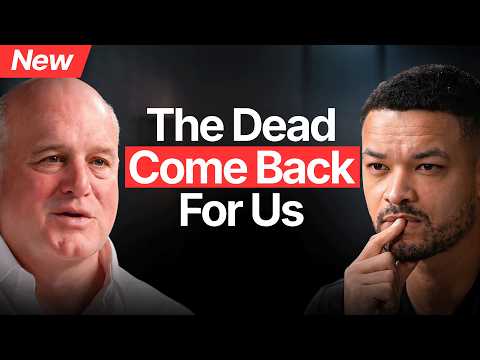
The Deathbed Doctor: Weeks Before Death, Patients Start Having Visions! | Dr Christopher Kerr
 The Diary of a CEO
· · 1 hr 23 min · Hosts: Steven Bartlett · Guests: Christopher Kerr
Summary
Dr. Christopher Kerr argues that the end of life is far less chaotic and frightening than most people imagine. From around 1,500 hospice interviews, he says nearly 90% of dying patients begin having intense dreams or visions, usually of loved ones who have died, and those experiences are often rated as fully real rather than delirious. He describes death as a gradual dimming of function, not a single catastrophic event, and says many of the common assumptions about severe pain, fear, and confusion are overstated.
A central theme is that people at the end of life become less self-focused and more relational. Kerr says dying patients rarely obsess over regret or legacy; instead, they care most about not being a burden, spending time with family, and finding peace. He argues that medicine often fails patients by avoiding honest conversations, overtreating too aggressively, and keeping death institutionalized rather than at home.
Kerr also contends that end-of-life experiences can heal old wounds. He describes patients who find forgiveness, comfort, and reconciliation in their final days, sometimes after decades of trauma. He stops short of claiming proof of an afterlife, but says the evidence points to a continued connection with the people we have loved and lost.
Key takeaways
- Christopher Kerr says nearly 90% of dying patients he studied had vivid dreams or visions, usually of deceased loved ones, and rated them as a 10 for realism.
- He argues that the biggest myth about dying is pain: in his view, suffering is often less severe than people expect and is usually manageable.
- Kerr says hospice patients care most about not being a burden, spending time with family, and preserving relationships, not about legacy or achievement.
- He believes end-of-life visions can produce forgiveness and psychological healing, especially for people carrying trauma or guilt.
- Kerr says medicine often harms families by denying the reality of death and preventing people from dying at home, where they are more likely to feel comfortable.
Notable quotes
“nearly 90% of people start to have very intense dreams or visions as they get closer to death”
“What matters to the dying patient is familiarity, to be connected, to be where they live”
“The love given and received. That's the only thing that matters”
How the episode opens
Interviewed 1,500 people as they're about to die. And what our research has shown is nearly 90% of people start to have very intense dreams or visions as they get closer to death and it's unlike anything they've ever experienced. And what's fascinating is these events don't resemble delirium.
When we ask them to scale it 0 to 10 on the degree of realism, it's always a 10. So it feels like this actually happened. Tell me about those people.
Would it help to see a video? So after doing this for 30 years, what I've come to understand is we've lost our way with dying. There's such a lack of information and that void is overwhelmingly felt with fear and mistruths compounded by the fact that doctors don't have these discussions.
Can you list them for me?
First, I don't see people bringing up regret towards the end of their life. They're not thinking about do they regret something? No.
Hell no. No, it's gone. Death is this unbelievably truthful place.
You're stripped to the bare bones of who you are. And if you think of the best version of yourself, it was never achieving something. It was being a son, it was being a brother, it was being a friend.
And then the big myths are that pain is expected and that's actually not true. It's less painful than people think. Oh gosh, by a mile.
But it's damning how little conversations there are to address that issue. And then the next, this is what fascinates me. You're going to see why.
And also we have these six handwritten cards of lessons you've learned from caring for the dying. We'll go into the full list but from everything you've experienced, do you think there is life after death?
From the episode’s captions: roughly the first two minutes, lightly cleaned. Keep watching on YouTube →
Topics
- end-of-life visions
- hospice care
- deathbed dreams
- grief and bereavement
- psychedelics at end of life
Watch the episode
Summary, takeaways and quote selection by Octagon. Quotes are short excerpts; the full conversation is in the episode.
More from The Diary of a CEO
-
 Top Neurologist: The Weekend Habit That Could Raise Your Dementia Risk!
-
 Katt Williams: They Tied Me To A Pole And Beat Me Bloody Every Week!
-
 Iran War Expert: "The 8 Weeks After Midterms Could Be The Most Dangerous!" | Prof Robert Pape
-
 James Talarico: Here Is How They Designed The System To Keep You Poor!
-
 WW3 Threat Expert: The Warning We Are Ignoring, The Only Way Out Is THIS! | Dr Sarah Paine
-
 Mark Cuban: The Brutal Truth About The Next Market Crash!
The Diary of a CEO, this episode and its artwork belong to DOAC. Octagon is not affiliated with the show; this page is an independent summary.
