
Episode summary
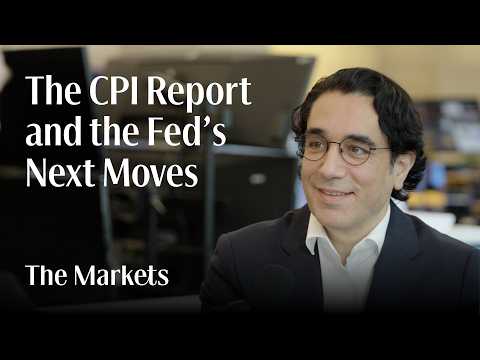
How Will Higher-than-Expected Inflation Data Impact the Fed's Next Rate Decisions?
 The Markets
· · Hosts: Chris Hussey, Mike Washington · Guests: Muhammad Qubbaj
Summary
Muhammad Qubbaj argues that October’s hotter-than-expected CPI print materially shifted the Fed discussion toward a more hawkish path, including reopening the possibility of a 50-basis-point hike in December rather than the more likely smaller move. He says the market reacted not just to the inflation level itself, but to the Fed’s reaction function, with hawkish comments from John Waller helping put larger hikes back on the table. He also says the move reflected unwind of positioning after about a month of hike compression.
On oil, Qubbaj says falling prices help rates at the margin but do not erase the inflation signal from CPI. He argues the relationship is not one-for-one and that the Fed cannot simply ignore the print because crude has recently fallen. He also downplays the idea that the midterms materially changed the rates outlook, saying CPI mattered far more than election-driven noise.
Looking ahead, Qubbaj’s base case is that 10-year Treasury yields will not revisit the recent 5.3% highs because the same combination of factors is unlikely to repeat. He sees a self-balancing dynamic in which higher rates could slow AI capex financing, and he says investors should focus on hedging around a market he views as driven mainly by mega-cap tech, with the key questions now being size and timing of the Fed’s next move.
Key takeaways
- Qubbaj says the hot CPI print reopened the distribution to a 50-basis-point December hike, not just 25 basis points.
- He says oil’s decline may pressure rates lower, but it is not enough to offset the inflation signal from CPI.
- He believes the midterms had little direct impact on rates compared with the CPI shock.
- Qubbaj’s base case is that 10-year Treasury yields stay below the recent 5.3% highs.
- He frames the market as largely a mega-cap tech trade, with hedging and leverage management more important than trying to call every move.
Notable quotes
“I would say that it was unacceptable number, .3, third time in a row. Strong across all categories. The Fed has to reckon with that number”
“Contingent on .3, 50s could be on the table”
“you can't expect a full refund just based on the oil movement”
“I don't think that you're going to have that same set of circumstances reassert itself on the market again and push yields to the high, high level that we saw in October”
“It is a one-factor market. It's all about mega-cap tech”
Topics
- inflation data
- fed rate decisions
- interest rates
- treasury yields
- oil prices
Companies and tickers mentioned
- GS
- Goldman Sachs
Watch the episode
Summary, takeaways and quote selection by Octagon. Quotes are short excerpts; the full conversation is in the episode.
More from The Markets
-
 Bullish Options Trades Slow amid AI Uncertainty
-
 Why Investors Are Reducing AI Exposure
-
 How Higher Rates and AI Issuance Are Affecting Credit Markets
-
 Hedge Funds Are Cautious on Stocks amid Rates and Energy Volatility
-
 Al Is Becoming a Stock Picker's Market
-
 The Bond Market May Be the Stock Market's Biggest Risk
The Markets, this episode and its artwork belong to Goldman Sachs. Octagon is not affiliated with the show; this page is an independent summary.
