
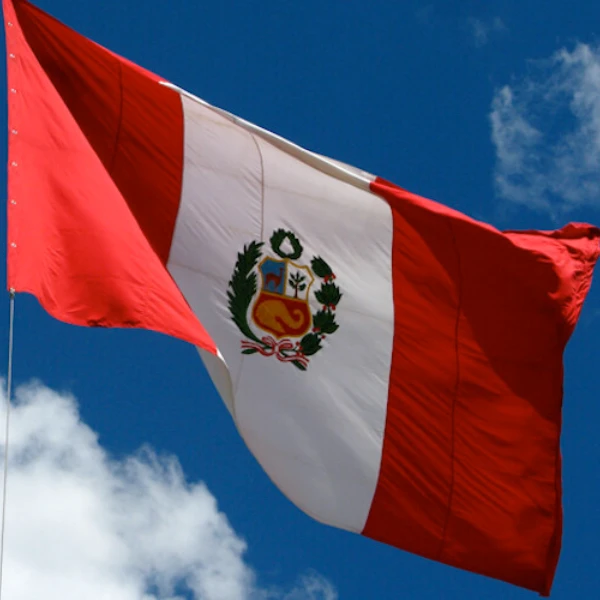
Peru presidential election: first round
Short Answer
1. Market Behavior & Drivers
- Rafael López Aliaga leads national polls but faces multiple investigations.
- Keiko Fujimori is an official candidate, but under active money laundering investigation.
- Roberto Sánchez Palomino holds direct formal endorsements from Pedro Castillo.
- Carlos Álvarez, an outsider, reportedly gains traction and fights at top in polls.
- Legal challenges facing frontrunners could create opportunities for other candidates.
- A unified right-wing coalition for the 2026 elections appears unlikely.
Who Wins and Why
| Outcome | Market | Model | Why |
|---|---|---|---|
| Keiko Fujimori | 96.4% | 89.4% | Her official candidacy for Fuerza Popular indicates an established political presence. |
| Carlos Álvarez | 0.1% | 2.8% | Model higher by 2.7pp |
| Rafael López Aliaga | 0.9% | 3.2% | He holds a leading national position in recent polls and is Renovación Popular's official candidate. |
| Roberto Sánchez Palomino | 0.6% | 2.2% | He has direct formal endorsements from Pedro Castillo and PTE Perú. |
| Ricardo Belmont | 1.0% | 1.5% | Model higher by 0.5pp |
2. Price Chart
Historical Price (Probability)
3. Market Data
Contract Snapshot
This market resolves to "Yes" if Keiko Fujimori wins the first round of the 2026 Peruvian presidential election, and to "No" if she does not, as the event is mutually exclusive. The outcome will be verified by the Jurado Nacional de Elecciones (JNE). The market opened on March 25, 2026, and will close after the outcome occurs, or early if the election winner is officially declared, otherwise by April 12, 2027, at 10:00 AM EDT. Employees of any Source Agency are prohibited from trading this contract.
Available Contracts
Market options and current pricing
| Outcome bucket | Yes (price) | No (price) | Last trade probability |
|---|---|---|---|
| Keiko Fujimori | $0.98 | $0.04 | 96% |
| Ricardo Belmont | $0.01 | $1.00 | 1% |
| Rafael López Aliaga | $0.02 | $1.00 | 1% |
| Roberto Sánchez Palomino | $0.01 | $1.00 | 1% |
| Alfonso López Chau | $0.01 | $1.00 | 0% |
| Carlos Álvarez | $0.00 | $1.00 | 0% |
| George Forsyth | $0.00 | $1.00 | 0% |
| Jorge Nieto | $0.00 | $1.00 | 0% |
| Wolfgang Grozo | $0.00 | $1.00 | 0% |
Market Discussion
The main discussion centers on the definition of "first round winner" and Keiko Fujimori's current electoral standing. Traders are debating whether winning the first round requires an outright majority (50%+1 vote) or simply securing the highest number of votes, with some pointing to market rules that imply an outright win and inauguration.
Arguments for "No" to Keiko Fujimori's first-round victory state that she needs over 50% to avoid a runoff, and some users note she is currently polling low (around 18%). Arguments for "Yes" cite high probabilities on other prediction platforms (e.g., Polymarket at 90%). A notable insight is the discrepancy between Kalshi's high implied probability for Keiko Fujimori (96.4%) and active discussion questioning her ability to secure an outright first-round victory based on reported performance.
4. How Do Rafael López Aliaga's Regional Polls Compare to Fujimori's 2021 Results?
| Rafael López Aliaga National Poll | 14.6% (February 2026) [1] |
|---|---|
| Keiko Fujimori 2021 Highest Regional | 11.69% (La Libertad) [2] |
| Keiko Fujimori 2021 Lowest Regional | 4.79% (Cajamarca) [2] |
Sources (3)
- 1Rafael López Aliaga, Keiko Fujimori, Alfonso López Chau, Carlos Álvarez, Wolfgang Grozo y más candidatos: así van las encuestas presidenciales 2026 | Política | La Repúblicapwa.larepublica.pe
- 22021 Peruvian general electionen.wikipedia.org
- 3Elecciones 2026: López Chau lidera encuesta en el centro y sur, mientras Fujimori y López Aliaga se disputan Lima y Callao, según Datum - Infobaeinfobae.com
5. Which Candidates Are Endorsed by Pedro Castillo's 2021 Coalition?
| Candidate with Most Endorsements | Roberto Sánchez Palomino (Pedro Castillo [1], PTE Perú [2]) |
|---|---|
| Key Endorser | Pedro Castillo directly backed Roberto Sánchez Palomino [1] |
| Endorsements for Other Candidates | No formal endorsements from 2021 coalition groups for Alfonso López Chau or Jorge Nieto [3] |
Sources (6)
- 1Pedro Castillo ratifica su respaldo a Roberto Sánchez como su candidato en las Elecciones 2026: "Le entregué mi sombrero" | hnews | Política | La Repúblicapwa.larepublica.pe
- 2PTE Perú anuncia respaldo a Roberto Sánchez de Juntos por el Perú a 5 días de las Elecciones 2026 | hnews | Política | La Repúblicalarepublica.pe
- 3Alfonso López Chau en Elecciones Generales 2026: "No quiero ser un presidente secuestrado, amarrado por un Congreso que no deja hacer las cosas" | Política | La Repúblicalarepublica.com.pe
- 4Roberto Sánchez Palominoen.wikipedia.org
- 5Presidency of Pedro Castilloen.wikipedia.org
- 6National Federation of Workers in Education of Peruen.wikipedia.org
6. What Legal Challenges Face Peruvian Presidential Candidates for 2026 Elections?
| Keiko Fujimori Investigation Status | Active investigation for money laundering, ongoing as of April 2026 [1] |
|---|---|
| Rafael López Aliaga Complaints | Criminal complaint for inciting insurgency (April 16, 2026) and ongoing corruption/money laundering investigations (April 22, 2026) [2] |
| Disqualification Deadline | Candidates sentenced or disqualified to be excluded from December (likely 2025) for 2026 elections [3] |
Sources (4)
- 1Fuerza Popular, Keiko Fujimori y su plancha presidencial investigados por lavado de activos | Hnews | Política | La Repúblicalarepublica.pe
- 2Acusan a Rafael López Aliaga de incitar a la insurgencia y presentan denuncia penal en su contrawapa.pe
- 3Elecciones 2026: candidatos sentenciados o inhabilitados serán excluidos desde diciembre | Noticias | Agencia Peruana de Noticias Andinaandina.pe
- 4Elecciones 2026: 15 planchas presidenciales ya lograron su inscripción y 2 esperan revisión de sus tachas | hnews | Política | La Repúblicalarepublica.com.pe
7. How Do Peruvian 'Outsider' Candidates Engage Voters Digitally?
| Ricardo Belmont's Identity | Identified as "el ‘outsider’ de Perú" and a controversial former mayor of Lima [1] |
|---|---|
| Carlos Álvarez's Identity | Recognized as "el outsider de las Elecciones 2026" and fighting at the top in polls [2] |
| Belmont's Digital Strategy | Employs a "digital strategy" leveraging TikTok to engage young voters [3] |
Sources (7)
- 1Ricardo Belmont, el ‘outsider’ de Perú que pasó de tener 2% y que aún pelea por la presidencia - Infobaeinfobae.com
- 2El comediante Carlos Álvarez se convierte en el outsider de las Elecciones 2026, pero ¿qué plantea en lo económico? - Infobaeinfobae.com
- 3Ricardo Belmont: Digital Strategy and Controversies in His Final Presidential Bidtime.news
- 4Belmont, el polémico exalcalde de Lima que irrumpe en la carrera a la Presidencia de Perúefe.com
- 5Carlos Álvarez en Perú: el outsider que ya pelea arriba en las encuestasnewsdigitales.com
- 6Candidato Ricardo Belmont se apoya en jóvenes de TikTokelmanana.com
- 7ricardobelmontctiktok.com
8. Will right-wing parties unite for Peru's 2026 elections?
| Fuerza Popular Candidate | Keiko Fujimori (inscribed for 2026 elections) [1] |
|---|---|
| Renovación Popular Candidate | Rafael López Aliaga (officialized for 2026 elections) [2] |
| Officialized Presidential Formulas | 36 formulas (by JNE) [3] |
Sources (5)
- 1Keiko Fujimori JEE Lima Centro 1 declara inscrita la fórmula presidencial de Fuerza Popular elecciones generales 2026 | EL COMERCIO PERÚelcomercio.pe
- 2Renovación Popular oficializa a Rafael López Aliaga como su candidato presidencial para 2026 | CanalB.pecanalb.pe
- 3Elecciones 2026: JNE oficializa 36 fórmulas presidencialesjornada.com.pe
- 4JNE: mañana vence plazo para inscribir alianzas electorales rumbo a las Elecciones Generales 2026 | TVPerútvperu.gob.pe
- 5Elecciones 2026: 15 fórmulas inscritas, 18 en periodo de tacha y 2 con tacha en trámiteapnoticias.pe
