
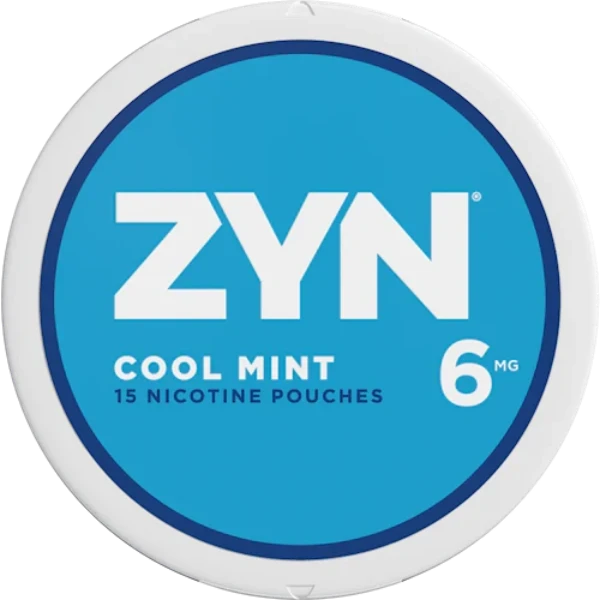
Zyn US shipment volume in 2026
Short Answer
1. Market Behavior & Drivers
- Since last update (~24h): Model decreased "Above 680 million" by 2.8pp, market unchanged; edge compressed significantly, model-led.
- Both model (-5.6pp) and market (-6.0pp) dropped for "Above 700 million".
- "Above 800 million" probabilities declined for both model (-3.0pp) and market (-3.0pp).
- Zyn US shipment volumes likely exceed 680 million, despite Q1 decline from inventory normalization.
- FDA's June 30, 2026, modified risk authorization is expected to boost H2 volumes.
- Continued production capacity expansion supports sustained Zyn US volume growth.
Current Context
Sources (6)
- 1UNITED STATES PMI reports first-quarter 2026 results - Tobacco Journal Internationaltobaccojournal.com
- 2Philip Morris International Reports 2026 First-Quarter...pmi.com
- 3Earnings Release PM-EX 99.1 - Q1 2026philipmorrisinternational.gcs-web.com
- 4FDA Authorizes 20 ZYNs to be marketed as Modified Riskfda.gov
- 5FDA clears Zyn: Nicotine pouches may hook a new generation, says expertmedicalxpress.com
- 6FDA Lets 20 ZYN Nicotine Pouches Claim Lower Risk Than Cigarettes; Critics Warn Of Danger - Cancer Therapy Advisorcancertherapyadvisor.com
2. Price Chart
Historical Price (Probability)
3. Market Data
Contract Snapshot
This market resolves "Yes" if Philip Morris International Inc. reports Zyn U.S. shipment volume above 760,000,000 in 2026, as verified by Fiscal.ai; otherwise, it resolves "No." The market closes early if the event occurs, or by March 31, 2028, at 1:00 AM EDT, with payouts projected 30 minutes after closing.
Market Discussion
In Q1 2026, U.S. Zyn shipment volumes declined by 23.5% compared to the prior-year period, totaling 155 million cans or 2.3 billion pouches, with Philip Morris management expecting surplus inventory to normalize during that quarter [1][2][3]. Despite this, market sentiment remains mixed following the FDA's grant of Modified Risk Tobacco Product (MRTP) orders for 20 ZYN variants in July 2026, which is viewed as a potential long-term growth catalyst [4][5][6]. Investors are balancing this potential growth against concerns about whether smoke-free product expansion can consistently offset declines in traditional cigarette volumes and high valuation multiples [5][6][7].
Sources (7)
- 1Philip Morris Q1 2026 earnings jump on smoke-free | PM 8...stocktitan.net
- 2Philip Morris International Reports 2026 First-Quarter...pmi.com
- 3Philip Morris International Inc. 2025 Fourth-Quarter Conference Call February 6, 2026philipmorrisinternational.gcs-web.com
- 4How FDA's First-Ever Modified-Risk Nod for ZYN Pouches at Philip Morris (PM) Has Changed Its Investment Story - Simply Wall St Newssimplywall.st
- 5Philip Morris International (PM) On FDA Backing For ZYN, Bargain Or Fully Valued? - Simply Wall St Newssimplywall.st
- 6Philip Morris trims annual profit forecast amid nicotine...reuters.com
- 7Will Philip Morris International Overcome FDA Worries...finance.yahoo.com
4. Trader Dashboard
5. What is the projected impact of the FDA's June 2026 'modified risk' authorization on Zyn's US shipment volumes for the second half of the year?
| FDA MRTP Authorization Date | June 30, 2026 [1][2] |
|---|---|
| ZYN U.S. Shipment Volume Decline Q1 2026 | 23.5% to 155 million cans [3][4][5] |
| ZYN Offtake Growth Q1 2026 | 10% [3][4][5] |
Sources (7)
- 1FDA Grants ZYN ‘Modified Risk’ Marketing Orders – Nicotine Insidernicotineinsider.com
- 2FDA Authorizes Zyns to Market with Positive Health Claimsnatlawreview.com
- 3Q1 2026 - Investor Relations | Philip Morris Internationalphilipmorrisinternational.gcs-web.com
- 4Philip Morris International Reports 2026 First-Quarter...pmi.com
- 5Earnings Release PM-EX 99.1 - Q1 2026philipmorrisinternational.gcs-web.com
- 6Philip Morris International Inc. 2025 Fourth-Quarter Conference Call February 6, 2026philipmorrisinternational.gcs-web.com
- 7Earnings Slides - Q4 2025 [FINAL]philipmorrisinternational.gcs-web.com
6. How does Zyn's market share and volume growth in the US nicotine pouch category compare to its primary competitor, Velo, as of H1 2026?
| Zyn U.S. Volume Share | 55.5% (Q1 2026) [1][2][3][4][5][6] |
|---|---|
| Zyn U.S. Retail Value Share | 61.3% (Q1 2026) [1][2][3][4][5][6] |
| Velo Plus Market Share | Approximately 10% (mid-2026) [7][8] |
Sources (10)
- 1www.youtube.comOctagon Agentyoutube.com
- 2www.cnbc.comOctagon Agentcnbc.com
- 3www.youtube.comOctagon Agentyoutube.com
- 4www.youtube.comOctagon Agentyoutube.com
- 5www.investopedia.comOctagon Agentinvestopedia.com
- 6www.foxbusiness.comOctagon Agentfoxbusiness.com
- 7ZYN VS VELO Plus U.S. Nicotine bags Marketzumovape.com
- 82FIRSTS | BAT's Nicotine Pouch VELO Sees Rapid Growth in US2firsts.com
- 9Earnings Release PM-EX 99.1 - Q1 2026philipmorrisinternational.gcs-web.com
- 10Philip Morris International Inc. 2026 First-Quarter Resultspmi.com
7. What specific factors explain the Q1 2026 divergence between Zyn's declining shipment volumes and rising consumer offtake data from Nielsen?
| Zyn Q1 2026 Shipment Volume | Declined 23.5% to 2.3 billion pouches, or 155 million cans [1][2][3] |
|---|---|
| Nielsen Consumer Offtake Volume Q1 2026 | Increased 10% [1][2][3] |
| Surplus Inventory Cleared Q1 2026 | Approximately 25 million cans [2][3] |
Sources (9)
- 1UNITED STATES PMI reports first-quarter 2026 results - Tobacco Journal Internationaltobaccojournal.com
- 2Philip Morris International Inc. (NYSE:PM) Q1 2026 Earnings Call Transcript - Insider Monkeyinsidermonkey.com
- 3Earnings Release PM-EX 99.1 - Q1 2026philipmorrisinternational.gcs-web.com
- 4Philip Morris International Inc. (10-Q) - 2026-Q1, Page: 50Octagon Agentoctagonai.co
- 5Philip Morris International Inc. (10-Q) - 2026-Q1, Page: 50Octagon Agentoctagonai.co
- 6Philip Morris International Inc. (10-Q) - 2026-Q1, Page: 50Octagon Agentoctagonai.co
- 7Philip Morris International Inc. (10-Q) - 2026-Q1, Page: 44Octagon Agentoctagonai.co
- 8Philip Morris International Inc. (10-Q) - 2026-Q1, Page: 50Octagon Agentoctagonai.co
- 9Philip Morris International Inc. (10-Q) - 2026-Q1, Page: 46Octagon Agentoctagonai.co
8. What is Philip Morris International's public reporting schedule for the release of Zyn's quarterly US shipment data through the end of 2026?
| Zyn US shipment reporting | Quarterly [1][2][3] |
|---|---|
| Q1 2026 disclosure date | April 22, 2026 [4][5][6][7][8][9] |
| Q2 2026 disclosure date | July 22, 2026 [10] |
Sources (11)
- 1Philip Morris International Reports 2026 First-Quarter...pmi.com
- 2Documentsec.gov
- 3Investor Relations | PMIpmi.com
- 4www.prnewswire.comOctagon Agentprnewswire.com
- 5www.globenewswire.comOctagon Agentglobenewswire.com
- 6www.newsfilecorp.comOctagon Agentnewsfilecorp.com
- 7www.globenewswire.comOctagon Agentglobenewswire.com
- 8www.prnewswire.comOctagon Agentprnewswire.com
- 9www.prnewswire.comOctagon Agentprnewswire.com
- 10Events center | PMI - Philip Morris Internationallesfaits.ch
- 11Prediction Markets - Zyn US shipment volume in 2026coinbase.com
9. What production capacity expansions or supply chain adjustments has Philip Morris International announced for Zyn in the US for 2026?
| Aurora plant investment | $600 million [1][2][3][4] |
|---|---|
| Owensboro production change effective | July 6, 2026 [5][6] |
| Zyn shipment volume decline Q1 2026 | 23.5% [7][8][9] |
Sources (9)
- 1Demand so strong Philip Morris moved fast to build its Aurora plantdenverpost.com
- 2PMI’s Colorado Zyn Factory Producing During Construction - Tobacco Reportertobaccoreporter.com
- 3PMI Opens Doors to $600M Zyn Plant in Colorado – Nicotine Insidernicotineinsider.com
- 4UNITED STATES PMI ramps up ZYN output at Aurora plant - Tobacco Journal Internationaltobaccojournal.com
- 5PMI Scales Back ZYN Production in Kentucky – Nicotine Insidernicotineinsider.com
- 6UNITED STATES PMI scales back ZYN schedule in Owensboro - Tobacco Journal Internationaltobaccojournal.com
- 7Philip Morris Q1 2026 earnings jump on smoke-free | PM 8...stocktitan.net
- 8Philip Morris International Q1 2026 Earnings Call Transcriptfortune.com
- 9PMI reports sales of Zyn increased by more than 10%...cspdailynews.com
10. What Could Change the Odds
Key Catalysts
Key Dates & Catalysts
- Expiration: March 31, 2028
- Closes: March 31, 2028
Sources (8)
- 1Philip Morris International Reports 2026 First-Quarter...pmi.com
- 2Philip Morris Q1 2026 earnings jump on smoke-free | PM 8...stocktitan.net
- 3UBS raises Philip Morris stock price target to $182 on ZYN Ultra By Investing.cominvesting.com
- 4Is Philip Morris International (PM) Fully Priced On Its Landmark FDA Nod For ZYN? - Simply Wall St Newssimplywall.st
- 5How FDA's First-Ever Modified-Risk Nod for ZYN Pouches at Philip Morris (PM) Has Changed Its Investment Story - Simply Wall St Newssimplywall.st
- 6Will Philip Morris International Overcome FDA Worries About Nicotine Pouch Use? - 24/7 Wall St.247wallst.com
- 7US Launches Iran Strikes For Second Day; Platner Ends Senate Bid | Bloomberg Daybreak: US Editionyoutube.com
- 8US, Iran Talk in Doha; Trump's $1.4 Billion Crypto Haul | Bloomberg Daybreak: US Editionyoutube.com
