
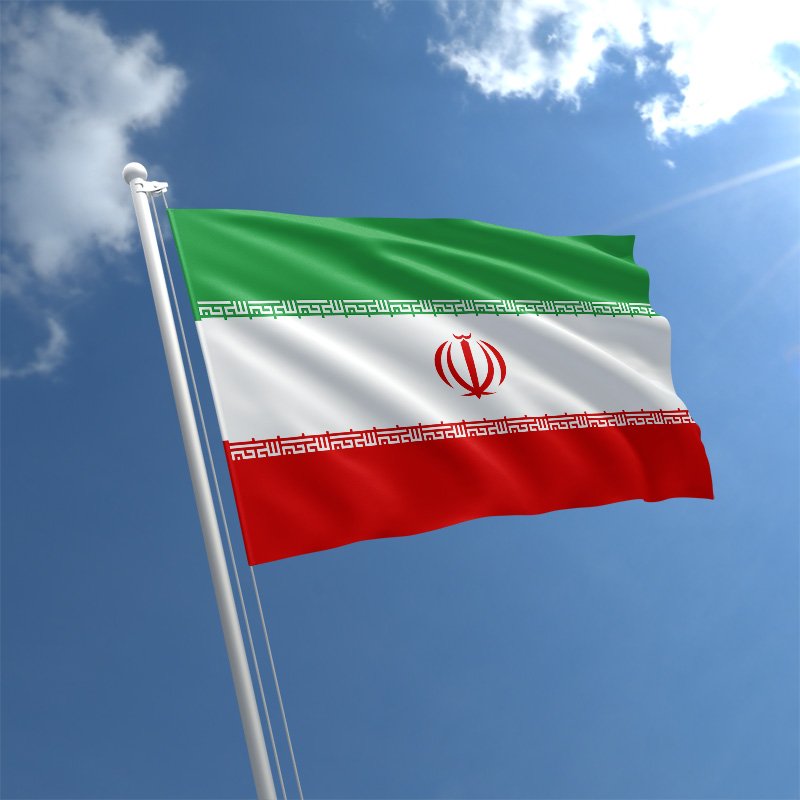
Will Iran hold a presidential election by... 2030
Yes refers to: December 31
Short Answer
1. Market Behavior & Drivers
- No election appears likely by 2026; Iran's next presidential vote is scheduled for 2028.
- The current president is serving a full term, with no active constitutional triggers for an early election.
- Sustained civil unrest or Article 131 conditions may compel an unscheduled election.
Who Wins and Why
| Outcome | Market | Model | Why |
|---|---|---|---|
| December 31 | 43.0% | 23.9% | Iran's next presidential election is scheduled for 2028, with no constitutional triggers for an early vote. |
Current Context
Sources (5)
- 12028 Iranian presidential electionen.wikipedia.org
- 2Iran Update Special Report, August 4, 2026 | ISWunderstandingwar.org
- 3Iran's National Election Headquarters emphasized: Considering the necessity of greater focus by groups, activists, and elites in the political, cultural, and social fields to responsibly accompany the people's presence in the streets, with the approval of the Supreme National Security Council, the election on 11 Ordibehesht will be held 60 days after the official announcement of the end of the war. -TasnimNews - CGTNnews.cgtn.com
- 4Iran supreme leader residenceinteractives.ap.org
- 5Iran's Political System After the War • Stimson Centerstimson.org
2. Price Chart
Historical Price (Probability)
3. Market Data
Contract Snapshot
This market will resolve to "Yes" if an Iranian presidential election is officially held, with voting confirmed, by December 31, 2026; otherwise, it resolves to "No." An election date announcement is insufficient for a "Yes" resolution, and any subsequent disputes or events occurring after voting will not affect the outcome. Resolution will primarily be based on official information from the government of Iran, or a consensus of credible reporting.
Available Contracts
Market options and current pricing
| Outcome bucket | Yes (price) | No (price) | Last trade probability |
|---|---|---|---|
| December 31 | $0.09 | $0.95 | 43% |
Market Discussion
Market participants widely anticipate that Iran will not hold an early presidential election by December 31, 2026, with current market odds reflecting a very low probability for such an event. This consensus is primarily driven by the next scheduled election being in 2028 and the absence of constitutional triggers like a president's death or resignation. While factors such as heightened regime instability, regional conflict, and leadership changes have been noted, these have not yet led to confirmed moves for a snap ballot.
4. Trust Index
Order book is critically thin.
Primary risk· Trade quality
Resolution quality is low (60), but Integrity averages all three scores, so the other two pull it up. Only a critically low score would cap the total.
Includes the cost to trade: a $1,000 order can't be filled here because the order book is too thin.
Weighted blend with hard caps — a critically weak safety pillar, or a severe trading anomaly, caps the total regardless of the rest. Full methodology · About the Trust Index
5. What specific constitutional procedures could trigger a snap presidential election in Iran before the scheduled 2028 vote?
| Snap Election Triggers | President dies, is dismissed, resigns, is absent, or is ill for more than two months [1][2][3] |
|---|---|
| New Election Timeline | Within a maximum period of 50 days [1][2][3] |
| Next Scheduled Election | 2028 [4] |
6. What official statements have Iran's Guardian Council or Assembly of Experts made since February 2026 regarding a presidential succession timeline?
| Former Supreme Leader's Death | February 28, 2026 [1] |
|---|---|
| New Supreme Leader Election | March 9, 2026 [2][3][4][5] |
| Next Presidential Election | 2028 [6] |
Sources (10)
- 1Iran supreme leader residenceinteractives.ap.org
- 2Panel picking Iran's supreme leader has reached consensus, member says | Reutersreuters.com
- 3How Iran's next supreme leader is chosen | AP Newsapnews.com
- 4Iran names Mojtaba Khamenei as supreme leader | AP Newsapnews.com
- 5Iran names Khamenei's hardline son Mojtaba as new supreme leader, oil surges | Reutersreuters.com
- 62028 Iranian presidential electionen.wikipedia.org
- 7Who's leading Iran now, and how will a new supreme leader be chosen? | SBS Newssbs.com.au
- 8Who could succeed Ayatollah Ali Khamenei to lead Iran? | Explainer News | Al Jazeeraaljazeera.com
- 9Who might be the new leader of Iran? There’s no clear successor | CNNcnn.com
- 10Iran Weighs Holding Presidential, Parliamentary Elections Simultaneously in 2028 - Politics news - Tasnim News Agencytasnimnews.ir
7. How do the political objectives of the IRGC and the traditional clerical establishment differ regarding the timing of the next presidential election?
| Early Election Held | June-July 2024 [1][2][3][4] |
|---|---|
| Early Election Winner | Masoud Pezeshkian [1][2][3][4] |
| Next Presidential Election | 2028 [1][2][3][4] |
Sources (7)
- 1Moderate Pezeshkian wins Iran's presidential race, interior ministry says | Reutersreuters.com
- 2Iranian voters pick moderate as president to replace hardline Raisireuters.com
- 32024 Iranian presidential electionen.wikipedia.org
- 4Iran's presidential election of 2024britannica.com
- 5Iran’s June elections could consolidate hardline power before Khamenei succession - Atlantic Councilatlanticcouncil.org
- 6How Iran's Khamenei elevated a little-known moderate to the presidency | Reutersreuters.com
- 7Constitutional Council confirms new president will serve for four years - Tehran Timestehrantimes.com
8. What level of sustained civil unrest would be necessary to compel Iran's leadership to call an unscheduled presidential election in 2026?
| Unscheduled Election Trigger | Requires vacancy (death, resignation, absence, illness > 2 months, dismissal) as per Article 131 [1][2][3] |
|---|---|
| Role of Civil Unrest | Not a constitutional mechanism for unscheduled election [4][5][6] |
| Next Scheduled Election | 2028, after the 2024 regular election [7][6][8] |
Sources (11)
- 1What happens in Iran when a president dies in office? | Reutersreuters.com
- 2Temporary Presidential Councilen.wikipedia.org
- 3Legal procedure for succession after Raisi | Iran Internationaliranintl.com
- 4Iranians cast ballots in presidential election - AP Newsroomnewsroom.ap.org
- 5Iran’s president has died in office. Here’s what happens next | CNNcnn.com
- 6Iran Presidential Election by June 30: Market Collapses to Seven Percentlines.com
- 7Will Iran hold a presidential election by...? Predictions... 2026polymarket.com
- 8Will Iran hold a presidential election by June… 98% No · Polymarketexplorer.struct.to
- 9How Iran's foreign policy is affected by its presidential election...newsroom.ap.org
- 10State executive official irregular office changesballotpedia.org
- 11Daily Brew: May 9, 2023 - Ballotpediaballotpedia.org
9. What precedents from Iran's 2024 special election could inform the process and timeline if a new election were called in 2026?
| Maximum Election Period | 50 days (constitutional requirement) [1][2][3][4] |
|---|---|
| 2024 Candidate Registration | 5 days (May 30–June 3) [5][6][7][8] |
| 2024 Guardian Council Vetting | 7 days (concluding June 11) [5][6] |
Sources (9)
- 1functionspresident.ir
- 2Constitutionlondon.mfa.gov.ir
- 3What happens in Iran when a president dies in office? | Reutersreuters.com
- 4Iranian Goverment Constitution, English Textciaotest.cc.columbia.edu
- 5Iran’s presidential election: How voting process worksreuters.com
- 6Primer: Iran’s 2024 Presidential Election | The Iran Primeriranprimer.usip.org
- 7Iran registers presidential candidates for early vote after Raisi's deathreuters.com
- 8IFES Election Guide | Elections: Iranian President 2024 Generalelectionguide.org
- 9Constitutional Council clarifies criteria for presidential candidates (full text)shora-gc.ir
10. What Could Change the Odds
Key Catalysts
Key Dates & Catalysts
- Closes: December 31, 2026
Sources (5)
- 12028 Iranian presidential electionen.wikipedia.org
- 2Iran Weighs Holding Presidential, Parliamentary Elections Simultaneously in 2028 - Politics news - Tasnim News Agencytasnimnews.ir
- 3Election cycle and aggregationfec.gov
- 42024 Iranian presidential electionen.wikipedia.org
- 5Iran’s electoral mechanisms explainedshora-gc.ir
