
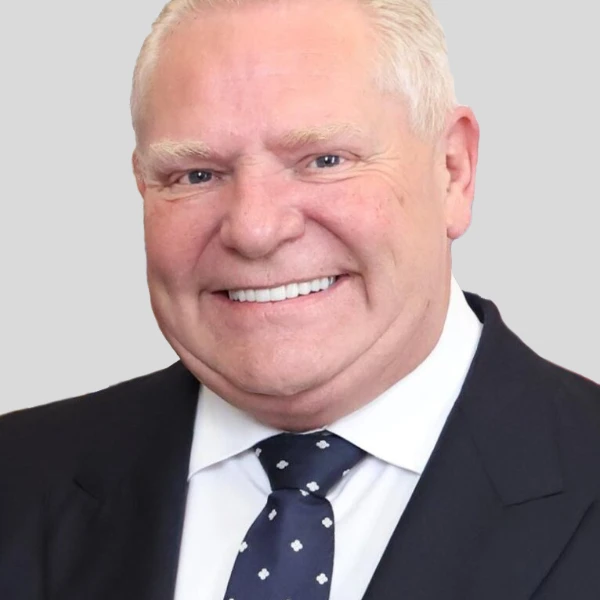
Will Ontario lift its U.S. alcohol restrictions in 2026?
Yes refers to: Before Jan 1, 2027
Short Answer
1. Market Behavior & Drivers
- Ontario likely lifts restrictions; LCBO began restocking U.S. alcohol in late 2026.
- U.S. deferred planned 50% duties, reducing retaliatory trade pressure on Canada.
Who Wins and Why
| Outcome | Market | Model | Why |
|---|---|---|---|
| Before Jan 1, 2027 | 83.0% | 76.6% | Ontario's decision on U.S. alcohol restrictions requires legislative or regulatory changes. |
Current Context
Sources (12)
- 1Doug Ford keeps Ontario U.S. booze ban over Trump tariffsthespec.com
- 2Ford says LCBO moratorium on U.S. booze to stay, despite renewed tariff threat | Globalnews.caglobalnews.ca
- 3LCBO to stop selling U.S products in response to U.S. tariffs on Canadian goodslcbo.com
- 4U.S.-Canada Trade Relationscongress.gov
- 5U.S.-Canada Relations amid Tariffs Under the International Emergency Economic Powers Actcongress.gov
- 6Congressional Recordcongress.gov
- 7Canadian Prime Minister Urges Provinces to Rescind US Alcohol Ban as Tariff Deadline Loomsfinance.yahoo.com
- 8LCBO gets ready to restock U.S. booze if trade deal a gothestar.com
- 9LCBO gets ready to restock U.S. booze if trade deal a gowellandtribune.ca
- 10Presidential Documentsgovinfo.gov
- 11Imposing Additional Duties to Offset Canadian...whitehouse.gov
- 12Trump’s New Tariffs Are Testing Canada’s Patienceyoutube.com
2. Price Chart
Historical Price (Probability)
3. Significant Price Movements
Notable price changes detected in the chart, along with research into what caused each movement.
📈 August 23, 2026: 56.0pp spike
Price increased from 27.0% to 83.0%
Outcome: Before Jan 1, 2027
📉 August 21, 2026: 15.0pp drop
Price decreased from 35.0% to 20.0%
Outcome: Before Jan 1, 2027
Sources (8)
- 1Ford open to lifting Ontario’s ban on U.S. alcohol if ‘fair deal’ reached - The Globe and Mailtheglobeandmail.com
- 2Doug Ford keeps Ontario U.S. booze ban over Trump tariffsthespec.com
- 3Will Ontario return U.S. alcohol to LCBO as tariffs loom?cambridgetimes.ca
- 4Congressional Recordcongress.gov
- 5U.S.-Canada Relations amid Tariffs Under the International Emergency Economic Powers Actcongress.gov
- 6Tampa Bay Rays vs. Toronto Blue Jays — 50% | Orrery market check | Orreryorrery.me
- 7Will New Zealand win on 2026-06-15? — Historical market archive | Orrery | Orreryorrery.me
- 8Bank of England rate hike in 2026? — 32% | Orrery market check | Orreryorrery.me
4. Market Data
Contract Snapshot
Based on the provided page content, the following information can be extracted:
Key Dates/Deadlines: The maximum payout date for this market is December 31, 2026. Resolution Triggers & Special Settlement Conditions: The provided content does not detail the specific conditions that would trigger a "YES" or "NO" resolution for the market, nor does it specify any special settlement conditions.
Available Contracts
Market options and current pricing
| Outcome bucket | Yes (price) | No (price) | Last trade probability |
|---|---|---|---|
| Before Jan 1, 2027 | $0.81 | $0.82 | 83% |
Market Discussion
Sources (7)
- 1Doug Ford keeps Ontario U.S. booze ban over Trump tariffsthespec.com
- 2Ford says LCBO moratorium on U.S. booze to stay, despite renewed tariff threat | Globalnews.caglobalnews.ca
- 3Ontario won’t reinstate U.S. alcohol; inks provincial dealthepeterboroughexaminer.com
- 4Ontario Premier Doug Ford silent on request to restock American alcohol | Globalnews.caglobalnews.ca
- 5Ford 'more than happy' to bring U.S. alcohol back if a deal is reached | Simcoe Reformersimcoereformer.ca
- 6Doug Ford keeps Ontario U.S. booze ban over Trump tariffsthepeterboroughexaminer.com
- 7Premier Ford refuses to lift LCBO ban on U.S. alcohol until new trade deal is reached - iPoliticsipolitics.ca
5. Trust Index
Order book is critically thin.
Primary risk· Trade quality
Includes the cost to trade: a $10,000 order can't be filled here because the order book is too thin.
Weighted blend with hard caps — a critically weak safety pillar, or a severe trading anomaly, caps the total regardless of the rest. Full methodology · About the Trust Index
6. What specific tariff reductions or trade concessions from the U.S. would constitute the "fair deal" required by Premier Doug Ford to lift Ontario's alcohol ban?
| Fair Deal Definition | Protects Ontario's key sectors (steel, auto, forestry, agriculture, manufacturing) and Quebec's aluminum sector [1][2][3][4][5] |
|---|---|
| Ontario's Offer | Lift ban on U.S. alcohol in exchange for reduced U.S. tariffs on Canadian goods [1][6][7] |
| Alcohol Ban Status | Remains in effect as of August 23, 2026 [1][2][8][6][7] |
Sources (8)
- 1Ford open to lifting Ontario's ban on U.S. alcohol if 'fair deal...theglobeandmail.com
- 2Canada should fight ‘weak’ Trump on U.S. alcohol ban, Kinew saystherecord.com
- 3Doug Ford keeps Ontario U.S. booze ban over Trump tariffsthespec.com
- 4Doug Ford keeps Ontario U.S. booze ban over Trump tariffsthepeterboroughexaminer.com
- 5Ford 'more than happy' to bring U.S. alcohol back if a deal is reached | Simcoe Reformersimcoereformer.ca
- 6Carney asks provinces to end bans on US alcohol as part of trade deal | National Postnationalpost.com
- 7Will Ontario return U.S. alcohol to LCBO as tariffs loom?cambridgetimes.ca
- 8Ontario Premier Doug Ford silent on request to restock...globalnews.ca
7. What logistical preparations by the LCBO and U.S. distillers in late 2026 suggest a high probability of resuming alcohol trade?
| LCBO Restocking Preparations Begin | August 21, 2026 [1][2][3] |
|---|---|
| U.S. Alcohol Ban Start Date | March 4, 2025 [4][5] |
| Decline in U.S. Alcohol Imports | 81 percent (March 2025-February 2026 vs. previous year) [4][5] |
Sources (7)
- 1LCBO gets ready to restock U.S. booze if trade deal a gotherecord.com
- 250% Tariff Pause Triggers US Alcohol Restock in Canada | GetSupplyBriefgetsupplybrief.com
- 3LCBO gets ready to restock U.S. booze if trade deal a gowellandtribune.ca
- 4Presidential Documentsgovinfo.gov
- 5Canada, U.S. officials inch closer to finalizing trade deal as...cbc.ca
- 6Doug Ford keeps Ontario U.S. booze ban over Trump tariffsthespec.com
- 7Carney asks provinces to end bans on US alcohol as part of trade deal | National Postnationalpost.com
8. How have the public positions of the U.S. Trade Representative and Canada's Minister of International Trade on retaliatory tariffs evolved since the U.S. duties of August 19, 2026?
| U.S. Tariff Deferral Dates | From August 19 to August 22, 2026 [1][2][3][4] |
|---|---|
| Threatened U.S. Tariff Percentage | 50% [1][2][3][4] |
| Provincial Compliance Status (Alcohol Restrictions) | Ontario and Quebec not yet publicly confirmed as of August 21, 2026 [5] |
Sources (7)
- 1Trump says US and Canada have a trade deal, but key terms remain unclear | AP Newsapnews.com
- 2Trump pauses new tariffs for three days, says U.S., Canada have reached tentative trade deal - The Globe and Mailtheglobeandmail.com
- 3Canada, U.S. negotiators meet again after Trump pauses threatened 50% tariffs | CBC Newscbc.ca
- 4National Newswatch | Canada, U.S. both say they made gains in new…nationalnewswatch.com
- 5U.S. wants its booze back in Canada’s stores but some say don’t buy it | Financial Postfinancialpost.com
- 6Temporary Suspension of Additional Duties to Offset Canadian Discrimination Against the Commerce of the United States with Respect to Alcoholic Beverages, Dairy, and Motor Vehicles – The White Housewhitehouse.gov
- 7Trump pauses 50% tariffs on goods from Canada, says two sides have a dealusatoday.com
9. What is the estimated 2026 dollar value of U.S. beverage alcohol exports lost due to Ontario's restrictions, according to trade associations and government data?
| Export Decrease (March 2025-Feb 2026) | US$581 million [1] |
|---|---|
| Export Reduction Percentage | 81% [1] |
| Export Value (2024-2025 vs. 2025-2026) | From $718 million to $137 million [1] |
10. What is the official schedule for U.S.-Canada trade negotiations before the end of 2026, and which specific tariff categories are on the agenda?
| Negotiations Collapsed | August 21, 2026 [1][2] |
|---|---|
| Canada Retaliation | Effective September 8, 2026 [1] |
| Ontario Alcohol Restrictions | In effect as of August 23, 2026 [3][4] |
Sources (5)
- 1Canada will retaliate with trade measures on U.S. on Sept. 8, Carney says - The Globe and Mailtheglobeandmail.com
- 2U.S.-Canada trade talks collapse minutes before deadline...nhpr.org
- 3LCBO gets ready to restock U.S. booze if trade deal a gotherecord.com
- 4LCBO gets ready to restock U.S. booze if trade deal a gowellandtribune.ca
- 5US offer to Canada included tariff cuts before talks collapsed | The Straits Timesstraitstimes.com
11. What Could Change the Odds
Key Catalysts
Key Dates & Catalysts
- Expiration: January 08, 2027
- Closes: January 01, 2027
Sources (10)
- 1U.S. booze might end up back on Canadian shelves, but...cbc.ca
- 2Will Ontario return U.S. alcohol to LCBO as tariffs loom?niagarafallsreview.ca
- 3Doug Ford keeps Ontario U.S. booze ban over Trump tariffsthespec.com
- 4Ford says LCBO moratorium on U.S. booze to stay, despite renewed tariff threat | Globalnews.caglobalnews.ca
- 5LCBO gets ready to restock U.S. booze if trade deal a gotherecord.com
- 6Carney asks provinces to end bans on US alcohol as part of trade deal | National Postnationalpost.com
- 7Canadian Prime Minister Urges Provinces to Rescind US Alcohol Ban as Tariff Deadline Loomsfinance.yahoo.com
- 8LCBO gets ready to restock U.S. booze if trade deal a gowellandtribune.ca
- 9Agricultural Provisions of the U.S.˚Mexico˚Canada Agreementcongress.gov
- 10Ford silent on reinstatement of U.S. alcohol in Ontariotheifp.ca
