

Podcast summaries
The Master Investor Podcast With Wilfred Frost
The Master Investor Podcast With Wilfred Frost on Apple Podcasts ↗
About these summaries
Octagon has summarized 46 episodes of The Master Investor Podcast With Wilfred Frost published between Jan 7, 2026 and Nov 10, 2026. The companies discussed most often are SpaceX, BNY Investments and Interactive Brokers. Frequent guests include Dan Niles, Jim Mellon and Larry McDonald. Each summary lists key takeaways, short timestamped quotes and the companies and tickers mentioned, with a link to the full episode.
Most-mentioned tickers
- IBKR 7
- MSFT 7
- NVDA 7
- GOOG 6
- GOOGL 6
- AAPL 5
- AMZN 5
- GS 3
- INTC 3
- AMD 2
- ARM 2
- BP 2
- CRM 2
- JPM 2
- META 2
Most-mentioned companies
- SpaceX 10
- BNY Investments 9
- Interactive Brokers 9
- Microsoft 7
- Nvidia 7
- OpenAI 6
- World Gold Council 6
- Amazon 5
- Apple 5
- Google 5
- London Stock Exchange Group 5
- Anthropic 4
- Goldman Sachs 3
- Intel 3
- London Stock Exchange Group (LSEG) 3
Frequent guests
- Dan Niles 2
- Jim Mellon 2
- Larry McDonald 2
- Ruchir Sharma 2
Episodes
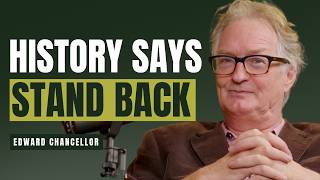
- What 400 Years of Financial Manias Teach Us About Today | Edward Chancellor
Edward Chancellor argues that financial bubbles recur because human nature, leverage, and easy money recur.
- Big Tech Selloff: Dan Niles on What Happens Next
Dan Niles argues the recent big tech and AI selloff is more like 1997–98 than 2000: painful, but still early in a much larger investment cycle.
- Picking Private Market Winners: SpaceX, Anthropic & Stripe | Maggie Fanari
Maggie Fanari said RIT Capital Partners is built to combine public equities, private investments and uncorrelated strategies in a permanent-capital structure aimed at long-term…
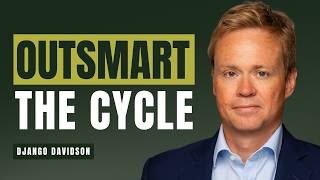
- How to Profit When Cycles Turn – Django Davidson on Capital Cycle Investing
Django Davidson argues that capital cycle investing starts with supply, not demand: industries with constrained supply and shrinking competition offer the best odds, while…
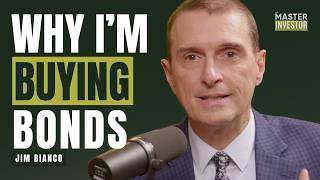
- The Bond Pivot: Jim Bianco on Why it’s Time to Start Buying Bonds
Jim Bianco argued that bonds are no longer obviously overpriced after years of rising yields, and that mid-5% to 6% yields now compensate investors for inflation and growth risks.
- Michael Hartnett: I coined “Mag7” - Here’s What Ends Their Run
Michael Hartnett argues that this decade has been defined by a shift from globalization to deglobalization, from monetary excess to fiscal excess, and from low rates to a world…
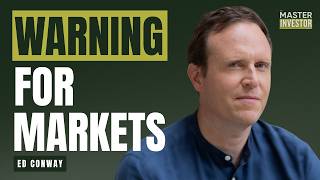
- If Global Trade Breaks, It’s Worse Than 2008 | Ed Conway
Ed Conway argues that global trade is being tested by war, tariffs, geopolitics and higher borrowing costs at the same time, and that markets may still be underestimating how…
- Optimistic On AI, Calm About Yields – But Own Land – Thomas Peterffy
Thomas Peterffy said Interactive Brokers’ recent growth has come from sticking to a simple principle: build the tools active traders actually need, then broaden the platform to…
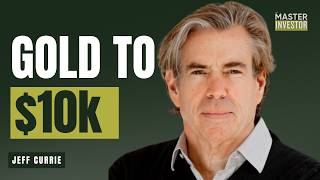
- Forget Tech: Why Hard Assets Will Win The Decade | Jeff Currie
Jeff Currie argues that the decade is being shaped by financial repression, sovereign debt stress and a renewed preference for hard assets over financial assets.
- Beyond The Mag 7 – Positioning For Earnings Peaking and Yields Rising – Liz Ann Sonders
Liz Ann Sonders argues that the recent rise in global bond yields is not, by itself, a problem for equities as long as the move remains orderly.
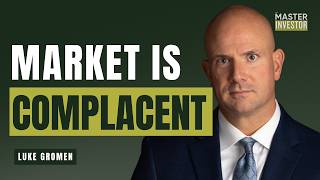
- Equities Extremely Complacent; De-lever and Prepare to Buy The Dip
Luke Gromen argues that the Iran war matters less for oil than for what it reveals about fragile Western bond markets and policymaker dependence on Treasury market functioning.
- Big Tech’s Tipping Point Is Here: Jim Mellon On Biggest Short Of All Time
Jim Mellon argued that markets are at a broad tipping point, with investor fatigue building around US mega-cap tech after the Magnificent 7 fell about 30% from their June highs.
- Jamie Dimon: Why I Won't Buy Bonds, AI's Future & Leadership Lessons
Jamie Dimon argues that the macro backdrop is more fragile than markets appear to assume.
- The Key CEO Traits Investors Are Missing | Kara Swisher
Kara Swisher argued that the current AI boom looks increasingly like an early internet-style bubble: OpenAI may struggle to go public in 2026 because its numbers are weaker…
- The New American Dream: Democratising Investing
Vlad Tenev argues that Robinhood’s core idea is ownership, and that the company’s rebound from a $6 billion market cap in 2022 to nearly $100 billion reflects a broader shift…
- How to Build Wealth (And Survive Failure) with Anthony Scaramucci
Anthony Scaramucci argues that the biggest investment mistake of his career was getting swept up in the moment and underestimating long-term compounding.
- Being Short Your Government: The Real Case for Gold & Silver
Ned Naylor-Leyland argues that gold and silver are not really commodities, but monetary assets that function as foreign exchange and as protection against the long-term…
- I've Interviewed Buffett More Than Anyone - Here's What I Learnt | Becky Quick
Becky Quick argued that the market reaction to the newly announced US-Iran peace framework was driven by the prospect of lower oil prices, reopening the Strait of Hormuz, and a…
- Should You Buy Space X? | IPO Special
The episode centers on SpaceX’s planned IPO, described as the largest in history, with about $80 billion of fresh capital and a valuation near $1.8 trillion.
- AI Could Turn Software Into “Dumb Data Pipes” | Dom Rizzo
Dominic Rizzo argued that AI is turning enterprise software upside down.
- “We’ve Seen the End of Times”: Tom Michaud on Market Extremes, IPO Red Flags, and 9/11
Tom Michaud argues that the clearest warning signs in banking are exceptionally fast growth, heavy leverage and credit deterioration.
- Memory Is A Bubble, But Nvidia Protected – Jan Van Eck On Semis Surge
Jan van Eck argued that the AI trade is real, but not uniform: he sees a bubble in memory stocks, while Nvidia remains protected by a wider moat and TSMC also looks defensible.
- Bull Case Holds for 2026 – Lori Calvasina
Lori Calvasina argued that the market’s recent 9.1% peak-to-trough decline around the Iran war was a rational response because recession risk was not being priced in.
- Dan Niles: Be Nimble - 30-50% AI Crash By 2027
Dan Niles argued that the AI trade still has room to run, but only if investors stay selective and keep cash on hand.
- The Bull Case for China: The Best Opportunity Right Now? | Louis Gave
Louis Gave argues that the conflict in the Middle East creates a near-term inflation shock that markets have not fully digested.
- Stephanie Link: When to Buy the Dip
Stephanie Link argued that the recent sell-off around the Iran war has again created a buying opportunity in US equities, even though she started accumulating in early March and…
- Jeremy Grantham: Lessons from 60 Legendary Years of Investing
Jeremy Grantham argues that the core edge in investing comes from buying cheap assets, avoiding clearly overpriced ones, and accepting that the short run can be painful.
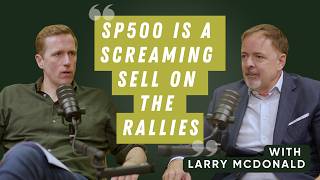
- Larry McDonald: SP500 Is A Screaming Sell; But Buy The Dip In Energy
Larry McDonald argues the S&P 500 remains vulnerable even after the relief rally on Iran ceasefire hopes, calling the index “a screaming sell on the rallies.” His central view is…
- Peter Boockvar: How To Position Your Portfolio In The Face of The Iran War
Peter Boockvar argues that inflation was already proving stickier than markets and central banks were willing to admit before the Iran war, with PPI and import-price pressure…
- Democratising Investing: Charles Schwab CEO Rick Wurster on the Future of Finance
Charles Schwab’s core pitch is still the same one Chuck Schwab launched in the mid-1970s: lower barriers, expand access, and keep more people invested for the long run.
- Crypto Winter or Buying Opportunity? Dan Morehead’s 4-Year Outlook
Dan Morehead argues that Bitcoin’s current drawdown looks more like a mid-cycle correction than the end of the trade.
- What Could Trigger the Next Crash? Lessons from 2008 | Lloyd Blankfein
Lloyd Blankfein argues that the biggest lesson from 2008 is not to assume markets or institutions are safe just because a crisis has not yet arrived.
- The Private Credit Unwind Is Coming – Tony Yoseloff
Tony Yoseloff argues that the current macro backdrop still has echoes of the 1970s and the early 2000s: market concentration is high, rate shocks still have long tails, and an…
- Scott Bessent: Inside Trump’s Treasury; War Costs; & Why Bond Market is King
Scott Bessent argues that the bond market is the system’s anchor: prices can swing, but the key risk is when markets stop functioning and price discovery disappears.
- Is the US Market Finally Peaking? Ruchir Sharma’s Take
Ruchir Sharma argues that the gap between expectations for the US and the rest of the world has been closing, and that this should keep driving international equity…
- IRAN WAR BONUS: Ruchir Sharma on Market Reaction to US-Israel War
Ruchir Sharma says the market’s reaction to the US-Israel war with Iran has been relatively calm so far, and that the main transmission channel remains oil prices.
- Greg Peters: Why Sovereign Bonds Now Beat Corporate Credit
Greg Peters argues that fixed income investors should treat sovereign risk and credit risk separately, and he thinks the market is mispricing both.
- Aswath Damodaran: I Am More Cautious Than Ever
Aswath Damodaran says equity markets look richly priced because institutional trust has been eroding since 2008 and the post-Second World War economic order is breaking down…
- Quiet Activism, Big Outcomes: How Mason Morfit Transformed Microsoft and Salesforce
Mason Morfit argues that ValueAct wins by pairing concentrated, long-duration investing with unusually deep, collaborative engagement inside the boardroom.
- Tectonic Shift or Head Fake? Cameron Dawson on the Market’s Next Move
Cameron Dawson argues that the recent rotation away from mega-cap growth may be more than a brief shakeout, but she is not ready to call it a true “tectonic shift.” She says the…
- “This is the Era of the Retail Trader": Sonali Basak on Democratising Private Markets
Sonali Basak argues that private markets are becoming more accessible because technology and market structure are lowering minimums, while still requiring rigorous diligence.
- The Hidden Force Behind the AI Revolution: Arm CEO Rene Haas
Rene Haas argued that AI is still at an early stage, more like 1992 than the late-1990s internet boom, and that it will touch nearly every device, software layer and business…
- Oil as a Weapon: Helima Croft on How Geopolitics Moves Markets
Helima Croft argues that oil markets are again being driven as much by geopolitics as by supply and demand.
- Tom Lee: Bear Market Coming in 2026 – Use It As Buying Opportunity
Tom Lee argued that 2026 should still sit inside the bull market that began in 2022, even if the year includes a sharp drawdown that will feel like a bear market.
- David Tait: Inside Gold’s Relentless Bull Market
David Tait argued that gold’s relentless bull market is being driven less by geopolitics than by a deep fear of a debt spiral, especially in the US.
- Jim Mellon: Why I'm Loading Up On Energy Stocks
Jim Mellon said he has cut his gold and silver exposure by about 80% after a huge run in 2025, arguing the trade has become crowded and that he prefers to leave a winning market…












The Master Investor Podcast With Wilfred Frost, its episodes and artwork belong to Paradine Productions. Octagon is not affiliated with the show; these pages are independent summaries.
